
DoorDash now lets you order food by texting an AI agent in Apple Messages. Say "order my usual" and it figures out the rest, no app required. A US waitlist is open now.
DoorDash's text-to-order AI agent, explained
DoorDash announced an AI agent that takes food orders over text. The catch that makes it interesting: you don't open the DoorDash app. You text it through Apple Messages, the same app you use to message friends.
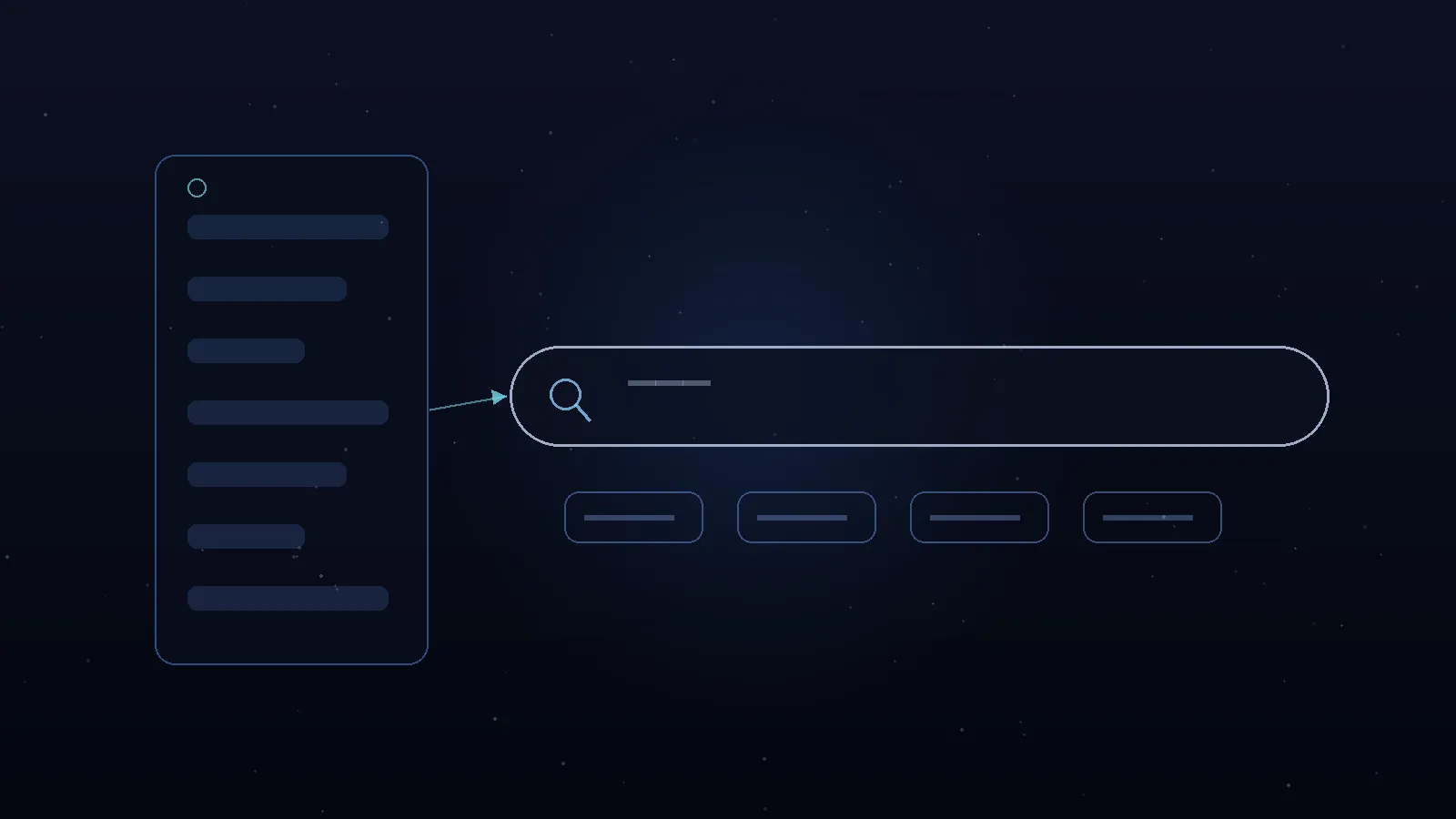
You can send loose instructions like "order my usual," and DoorDash says the agent understands you mean your recurring order, the Friday-night standby rather than a literal request. You can also name a specific dish, ask for a local recommendation, or describe what you're in the mood for. The agent searches nearby restaurants, builds a cart from what you said, and can even text you photos of the dishes it suggests.
It reads like a small shift, but it's a real change in how ordering works. Instead of browsing a menu grid and tapping through options, you describe what you want in a sentence and let the agent assemble the order. DoorDash is opening a waitlist for US customers who want to try it.
How ordering food through Apple Messages works
Here's the flow. You message the DoorDash agent inside Apple Messages, the way you'd text a person. You type something conversational: "get me something spicy from that Thai place" or "order my usual." The agent interprets it, queries local options, and proposes a cart. You confirm, and it moves to checkout.
The group feature is the part most people will actually test. DoorDash says the agent can handle mixed dietary preferences and different quantities in a single order. So if half your team wants vegetarian and half wants chicken, you can say so once and get one cart instead of five separate orders. Anyone who's coordinated a group lunch knows how much that saves in back-and-forth.
The photos are a nice touch, and a useful one. Rather than asking you to imagine a dish from a menu description, the agent can send a picture. That's closer to how people actually decide what to eat.
Why DoorDash is betting on a personal AI agent
The launch is a direct play against Uber Eats and Grubhub, but the bigger context is a shift across tech. Companies are racing to build personal AI agents that handle tasks without making you navigate an app or a website. If an agent can order your food, it can plausibly book your table, reorder your groceries or handle your returns.
DoorDash also used the moment to announce it will begin testing delivery drones with select restaurants in Northern California. That's separate from the ordering agent, but both point the same way: the company wants to own more of the journey from craving to doorstep, and to remove friction wherever it can.
There's a strategic logic here worth naming. An app makes you come to it. An agent that lives in your messages comes to you. That's a harder habit to break, and it keeps DoorDash in the conversation even when you're not thinking about delivery.
What the DoorDash text agent means for users
If you order delivery often, this could trim real time off the process. The group-order handling alone is worth a look for anyone who regularly feeds a crowd with different tastes. If you're casual about delivery, the benefit is smaller, but the direction is still telling: the app you open may matter less than the assistant you text.
Two caveats before you get excited. The feature is waitlisted in the US, so availability is gradual and uneven. And an AI agent ordering food on your behalf raises a familiar question: what happens when it gets the order wrong? DoorDash hasn't detailed how refunds or disputes work when the agent, not you, made the call.
For now, the practical move is to join the waitlist if it appeals, and treat it as a beta. Test it on a low-stakes order before you trust it with a big group meal. Small risks first.
What to watch after DoorDash's launch
Keep an eye on how fast DoorDash expands beyond the waitlist and whether the agent's recommendations feel personal or generic. The real test isn't whether it can parse "order my usual." It's whether it learns your actual preferences well enough to order well on days you don't want to think about it. That's a higher bar than it sounds.