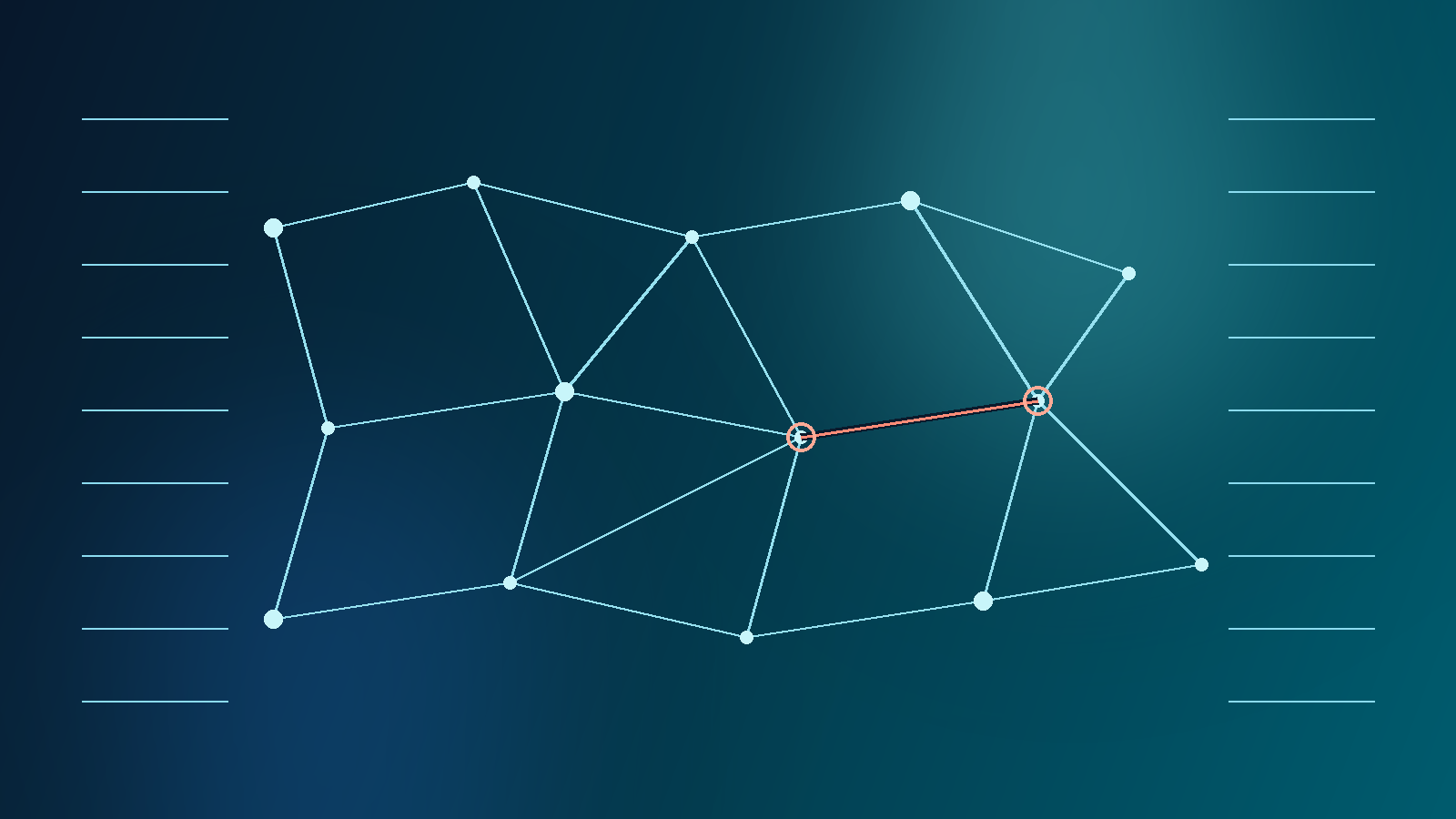
OpenAI said on November 6 that it's working with Hacktron, a security firm that builds AI agents for code review and penetration testing, to find vulnerabilities in OpenAI's systems. The target is the wiring between products, not the model on its own.
What the OpenAI Hacktron partnership actually covers
The deal is narrower than a full security audit and wider than a single bug bounty. OpenAI says its engineers and Hacktron researchers will choose the high-priority areas together, with a focus on how OpenAI's systems interact with third-party services.
Hacktron also gets expanded access to OpenAI's frontier models through Daybreak Red. That's the part most readers will hear as "OpenAI let an outsider inside." It's more limited than that, and the limits are in writing.
OpenAI says it met the firm through its Security Bug Bounty program and was impressed by the impact of the vulnerabilities Hacktron had disclosed. Companies usually describe a new security vendor as experienced and leave it there. OpenAI pointed at results instead.
Earlier the same week, OpenAI said Cathedral's researchers would work alongside its teams in the next security sprint, and it raised bug bounty rewards. Three security moves in five days looks like a program under review. OpenAI hasn't described it that way.
Why OpenAI vulnerability research now looks at the seams
A model that holds up against a prompt injection can still lose an argument with the service sitting next to it. That's the seam: the OAuth grant, the connector, the single sign-on cookie, the integration somebody set up two years ago and nobody has opened since.
Security teams have attacked these joins for years under duller names. What changed is that AI products now ship with more of them, and each connection carries a token that can act on a user's behalf long after the person who approved it has moved to another team. The calendar, the repo and the inbox behind it aren't, and that's before anyone adds an agent that can act on all three in one session.
Hacktron's own write-up shows the shape of that path. A community forum was the way in. An internal code repository was the way out. Everything between them was trust that had been configured correctly at the time, which is why the chain worked.
The Hacktron report that led to the OpenAI security partnership
Hacktron published its account on September 13. The timeline explains why OpenAI came calling. According to that write-up, its researchers chained two critical vulnerabilities on July 25. One was a remote code execution flaw in the image-processing path of the Discourse-hosted community forum. The other was an OpenAI single sign-on issue.
Together they let the forum compromise cross into ChatGPT and Codex, then into a connected GitHub integration. Hacktron demonstrated the reach by opening a harmless pull request in OpenAI's internal monorepo, then stopped testing, which is the part of the story a defender should read twice. It reported through OpenAI's Bugcrowd program and to Discourse.
The timeline says OpenAI confirmed a fix about 14 hours after the report. Discourse had one ready two days later, and OpenAI paid a $6,500 bounty on September 1. Fourteen hours is fast for a cross-service chain.
Keep all of that as Hacktron's version. OpenAI hasn't published its own account of July, and the figures come from the firm.
Daybreak Red access comes with limits
Access to the models is the most generous sounding part of the deal, and it's also the most controlled. OpenAI's August 10 Daybreak announcement defines Red as access to purpose-trained cybersecurity models for authorized vulnerability research, exploit validation and security testing. The same post recommends Blue as the starting point for most defenders.
Red is the sharper tool, and it isn't a public product you can apply for and receive. Approved individuals and organizations get it for authorized work, with identity verification, account security, monitoring, approved-use restrictions and legal attestations attached, none of which the announcement says were relaxed. Nothing in the Hacktron announcement says those controls were waived for this partnership.
OpenAI's guidance for these workflows adds two rules. Isolate security work from production systems and the open internet, and review an agent's planned actions before it runs them. If you're testing the thing that guards your accounts, you don't hand it your real credentials.
What does Hacktron actually have? Access to models, under an approved-use arrangement, for a defined job. That's different from a login to production. Narrow on purpose.
Where the OpenAI red team work still stops
The announcement is thin on what security buyers ask for first. There are no findings, no count of vulnerabilities and no timeline for the partnership. That's normal for a launch, and it's still worth saying out loud, because "we brought in attackers" reads like a result until you notice the missing scoreboard.
The other brake is people. Unite.AI notes that Hacktron's earlier account describes work that wasn't fully autonomous, with skilled human guidance carrying the important parts. Nothing in the new arrangement suggests that changed. Agents can run the scans, draft the findings and file the report, but a person still decides whether the finding is real and whether it's worth telling anyone.
This lands a day after OpenAI's GPT-6 Cyber launch, which showed a model writing exploits and proposing patches in the same session. That demo was about what a model does with a target. The partnership is about what happens between targets, where a lot of real intrusions actually live.
What an OpenAI security partnership means for your own stack
For a normal team, the takeaway is smaller than the headline. Write down every third-party service your AI product can reach, then write down which token it uses to get there. Most teams can name the model provider and stall on the rest. The GitHub integration Hacktron walked through would have been on that list, and so would every connector added during a free trial and never removed.
Scope the tokens next. A connector that reads calendars doesn't need write access to code, and a support bot doesn't need a personal grant that outlives the person who created it.
Then test the join. Point your red team, or a contractor, at the handoff between two systems instead of at each system alone. The bug in July wasn't in the model. It was in the trust between a forum and a login.
Different layer, same lesson.
One thing to watch: whether OpenAI publishes what the partnership finds. A security program that never reports results is hard to judge.