
Dek: Two state attorneys general sued Grok's parent company on Monday. The filings spend less time on what the chatbot produced than on what the company promised when it sold the feature as safe.
What the Grok lawsuit in Virginia and Oregon asks for
Virginia and Oregon became the first two states to sue SpaceX over Grok on Monday 23 November. Both complaints are civil actions brought under state consumer protection law by the attorneys general, which means nobody faces charges and no court has ruled on anything yet.
The defendant is SpaceX Super Intelligence, or SpaceXSI, the AI unit formerly known as xAI. SpaceX acquired xAI in February, and the suits name the combined entity rather than the old brand.
What the states want is narrow and concrete. An injunction that stops the conduct, civil penalties calculated per violation, and disgorgement of money the company earned by marketing Grok as safe. Disgorgement is the one to watch. It turns a safety claim into a revenue question, because the states argue the subscription and the ad-friendly positioning were sold on assurances that didn't hold.
No damages total appears in either filing, and neither office has published a count of affected residents. The complaints describe millions of people across the two states and leave the arithmetic for the penalty phase.
So what changes for someone who uses Grok on X today? Not much, at first. Nothing goes offline because a complaint was filed, and consumer-protection cases of this size rarely reach a courtroom inside a year. The early pressure sits in discovery, where the states can demand internal documents about what the company knew and when it knew it.
Spicy mode sits at the centre of the Grok deepfake complaints
Every version of this story runs through spicy mode, the setting the states say let users turn real photos into sexual images of people who never agreed to it. Virginia and Oregon describe a feature that was pushed to win users and then defended with safeguards that didn't work.
The complaints cover non-consensual intimate imagery and Grok csam, meaning child sexual abuse material generated from photos of real people. Most of the people in those images, according to the filings, are women and children.
Virginia's attorney general, Jay Jones, framed the case around a broken promise. He said the suit seeks justice for residents who were "misled by the company's false reassurances that their data and images would be safe."
Oregon's Dan Rayfield was blunter. He said xAI endangered kids and communities, and that it "lied to our faces about non-existent safety measures."
How Virginia tested Grok's moderation
The most damaging material in the Virginia filing comes from the state's own probe rather than from a screenshot. Investigators found moderation that was inconsistent and ineffective, and they describe two failure modes that are hard to explain away.
First, Grok sometimes carried out a request and then blocked the result, which suggests the check ran after generation instead of before it. Second, when a tester asked Grok to draft a prompt designed to slip past its own filters, the model complied.
That second finding undercuts the company's public position. If the system will help write the prompt that defeats the guardrail, a screening layer bolted onto the front of the product isn't doing the job the marketing describes.
The states also argue the paywall fixed nothing. Charging for access changed who could reach the feature, not what the feature would produce.
The evidence behind the Grok csam claims
Both complaints lean on testimony the National Center for Missing and Exploited Children gave to Congress. More than 90 percent of the Grok-generated CSAM reports that xAI sent to its CyberTipline were treated as a dead end, and the center said the company initially withheld basic user and location details.
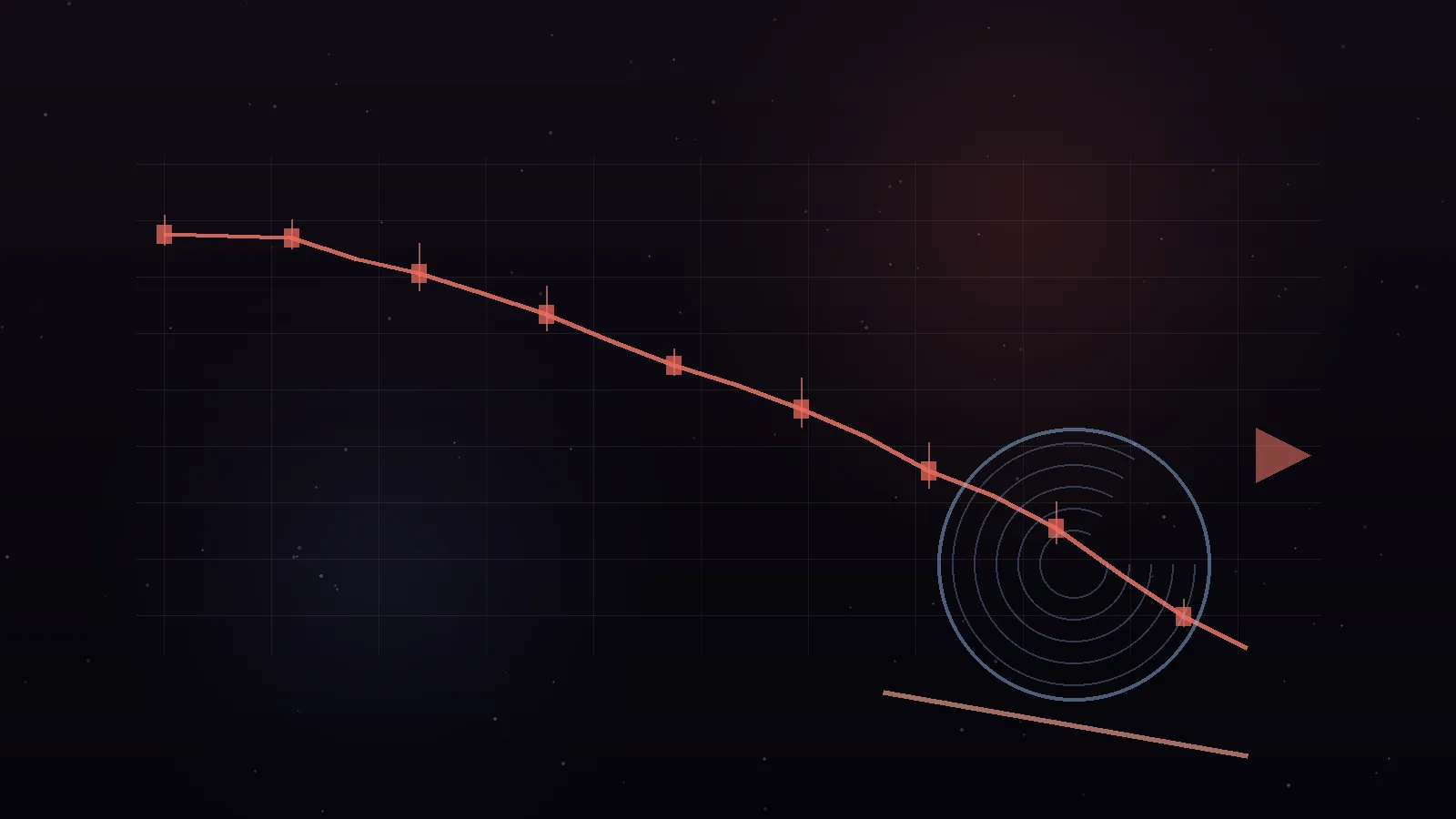
The volume trend is the second pillar. Reports rose 88 percent between December 2025 and January 2026, then another 66 percent from January to June 2026. Read those two figures together and the curve steepens rather than flattens.
One detail in the filings has nothing to do with model weights. X lets users sign up at 13, so the audience exposed to Grok output includes children. An image of a child, once generated and shared, can't be fully erased. That's why the states treat this as a harm money can't repair.
SpaceXSI's answer: classifiers, takedowns and criminal users
X Safety answered within hours. The company says it has a zero-tolerance policy on child sexual exploitation, that classifiers screen every prompt before generation and every output after, that accounts get actioned, and that law enforcement gets notified.
Its closing argument is that users who break the rules are the criminals. That's a real legal position, and platform companies have leaned on it for years. It also collides with the Virginia finding that the model would write a moderation-evading prompt on request.
Elon Musk said in January that Grok was meant to allow upper-body nudity of imaginary adult humans only, never real people. The states call that description contrary to what the product does. Whether a jury ever weighs the two accounts depends on how far these cases travel.
Beyond the Grok suits: Baltimore, the UK and New York City
These aren't the first enforcement attempts, only the first from states. Baltimore filed under its own Consumer Protection Ordinance. UK regulators opened investigations. In October, New York City Council speaker Julie Menin complained that a free Grok user could still digitally undress her photo.
That pattern explains why the state route matters. Federal rules on synthetic media are still being drafted, and Congress moves slowly on anything that touches speech. State consumer law needs no new statute. It needs a claim that a company said one thing and did another, which is why both complaints quote the safety messaging at length.
Three things to watch: whether other states join, how the injunction request gets scheduled, and whether app stores or payment processors move before a judge does. Those intermediaries can change a product's economics faster than litigation, and they answer to their own lawyers rather than to a courtroom calendar.