

EcoLink
Not publicly disclosed · Marketing
EcoLink is an AI-assisted sustainability label platform that scores products for environmental impact and pays shoppers blockchain tokens for greener choices. Its domain is now parked for sale.
About EcoLink
What Is EcoLink
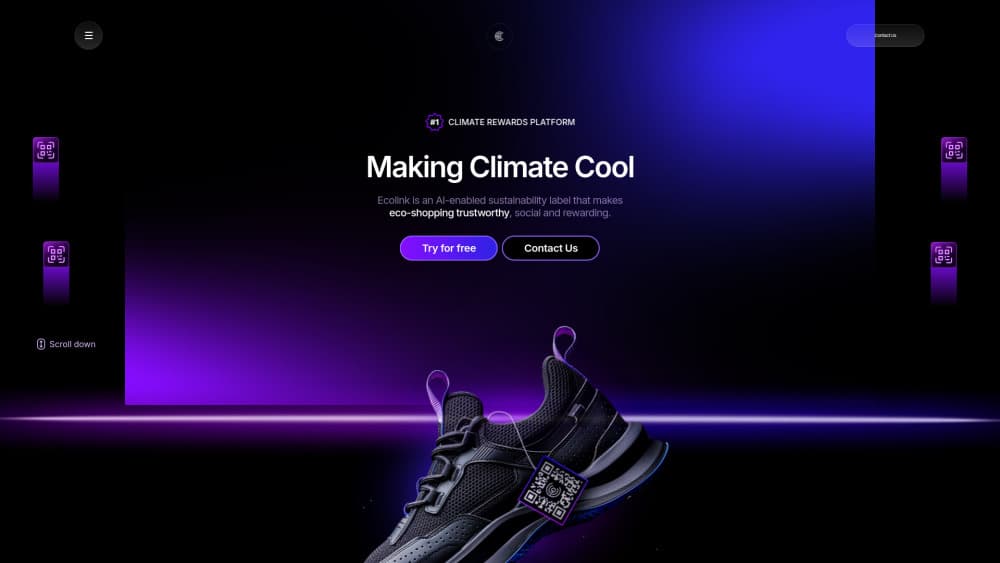
EcoLink was pitched as a shopping companion that puts a sustainability label on everyday products. The idea: an AI layer reads ingredient lists, packaging data and supply chain notes, then boils all of it into one product sustainability score a shopper can read in two seconds. No chemistry degree required.
The second half of the pitch was motivation. Pick the greener of two similar items, collect digital tokens on a blockchain, then spend or share them. The company described the loop as trustworthy, social and rewarding, which is a tidy summary of the three problems it wanted to solve at once.
What you can actually use today is a different story. As of October 2026, ecolink.ai resolves to a parked page listed for sale at $15,000. There is no Android or iOS app, no pricing page, no API documentation and no help center. If you run into the name in a product directory, treat it as a concept rather than a working service.
Getting Started
- Open ecolink.ai and confirm the product is live. Right now that page is a domain listing, so there is nothing to sign up for.
- If a working site appears later, read the scoring method before you trust a badge. A label without a published method is just decoration, and that goes double for a green shopping app.
- Test it on one category you buy often, such as coffee or cleaning spray. A single narrow test tells you more than a broad tour.
- Check the token terms before you connect a wallet. Reward programs on blockchains usually carry wallet and tax questions that the badge never mentions.
Product Information
A quick look at EcoLink's pricing, supported platforms, and performance.
Best for
The users, tasks, and scenarios where this tool fits best.
Users
- Everyday grocery shoppers
- Sustainability teams at small brands
- Crypto-curious green consumers
Tasks
- Comparing two similar products in a store aisle
- Auditing a supply chain claim before a marketing push
- Tracking personal green spending over a month
Scenarios
- Restocking household basics online
- Choosing between two near-identical packaged foods
- A brand testing whether a paid eco label moves sales
Key features
AI-Assisted Product Labels
The core promise was an AI model that reads messy product data and outputs a single score. That means ingredient lists, packaging materials, shipping distance and certification records, all folded into one number. The hard part is never the model. It's getting clean data for millions of SKUs, and EcoLink never explained how it planned to do that.
A Score You Can Read at a Glance
A labeled badge, most likely a color or letter grade, sits next to a product while you shop. The design goal was zero effort: glance, compare, decide. Shoppers who want the reasoning behind a grade would need a detail view, and no such view was ever shown publicly.
Blockchain Token Rewards
Buy the greener option, earn tokens. The tokens live on a blockchain, which makes balances portable and auditable in theory. In practice, a reward currency only motivates people when it buys something they want, and EcoLink never published a redemption catalog.
Social Layer and Shared Scores
The platform wanted shopping for eco labels to be shareable, so friends could compare habits or a workplace could run a team challenge. Social features are the cheapest way to grow an AI eco-shopping app, and also the easiest to abandon when usage stays flat.
Merchant-Side Label Tools
Brands were the paying side of the model. A merchant would submit product data, receive a label, and display it on packaging or a store page. That's a familiar certification business, except certification usually comes with auditors, appeals and a public rulebook, none of which EcoLink documented.
Pros and cons
Pros
- The problem is real. Shoppers say they want greener products and then stall at the shelf because the claims are unreadable.
- One score beats a page of certifications for a quick decision, especially on a phone in a store aisle.
- Token rewards give the habit a hook, which is more than most eco label schemes manage.
Cons
- There's no product to use. The domain is for sale, so anyone who signs up for a waitlist is waiting on nothing.
- The scoring method was never published, which means a grade would carry no weight with a skeptical buyer or a regulator.
- Reward tokens add wallet setup, price swings and tax paperwork to a shopping trip that was supposed to be simple.
Frequently asked questions
EcoLink is a sustainability label platform that used AI to score products for environmental impact and blockchain tokens to reward greener purchases. It exists as a product listing and a concept, not as a live service.
Related content
Explore related tools, skills, and articles for EcoLink.
EcoLink Alternatives

ngram 2.0
ngram · Video · Marketingngram 2.0 is an AI video generator for teams. It turns a prompt, a screen recording, or a product URL into a narrated explainer, product demo, or AI avatar video, and every scene stays editable.

shippedit.me
Krawlup · Marketing · Businessshippedit.me now redirects to Krawlup, a web platform that audits SEO, AEO and page speed every week, then hands the fixes to AI coding agents over MCP.

MePersona
MePersona, Inc. · Writing · Productivity · MarketingMePersona is an AI unified inbox for creators. It learns your voice, drafts replies to fan messages from 12 platforms, and sends only what you approve.