

Indie Boosting
T.O.P Group · Coding
Indie Boosting is a distribution platform where solo founders list their SaaS and AI products and indie publishers earn by displaying them through an embeddable widget.
About Indie Boosting
What Is Indie Boosting
Indie Boosting (IndieBoosting.com) is a web platform built by T.O.P Group that connects two groups: indie makers who want their products seen, and indie publishers who have an audience but no easy way to monetize it. The company bills it as a product distribution network for solo founders, and it works through a small widget that publishers drop into their sites.
The core idea is straightforward. Makers add credits to push their product onto other people's websites; publishers embed the widget and get paid when visitors engage with the products shown inside it. Nobody has to chase individual partnerships, and the platform handles matching with an algorithm.
It is not only a traffic tool. Indie Boosting also runs its own blog and indie hacker community, supports backlink building between members, and has added AI agents that answer questions about a founder's product on their behalf. That last piece sets it apart from plain ad networks, but it also means the platform leans hard on AI features that are still evolving.
Getting Started
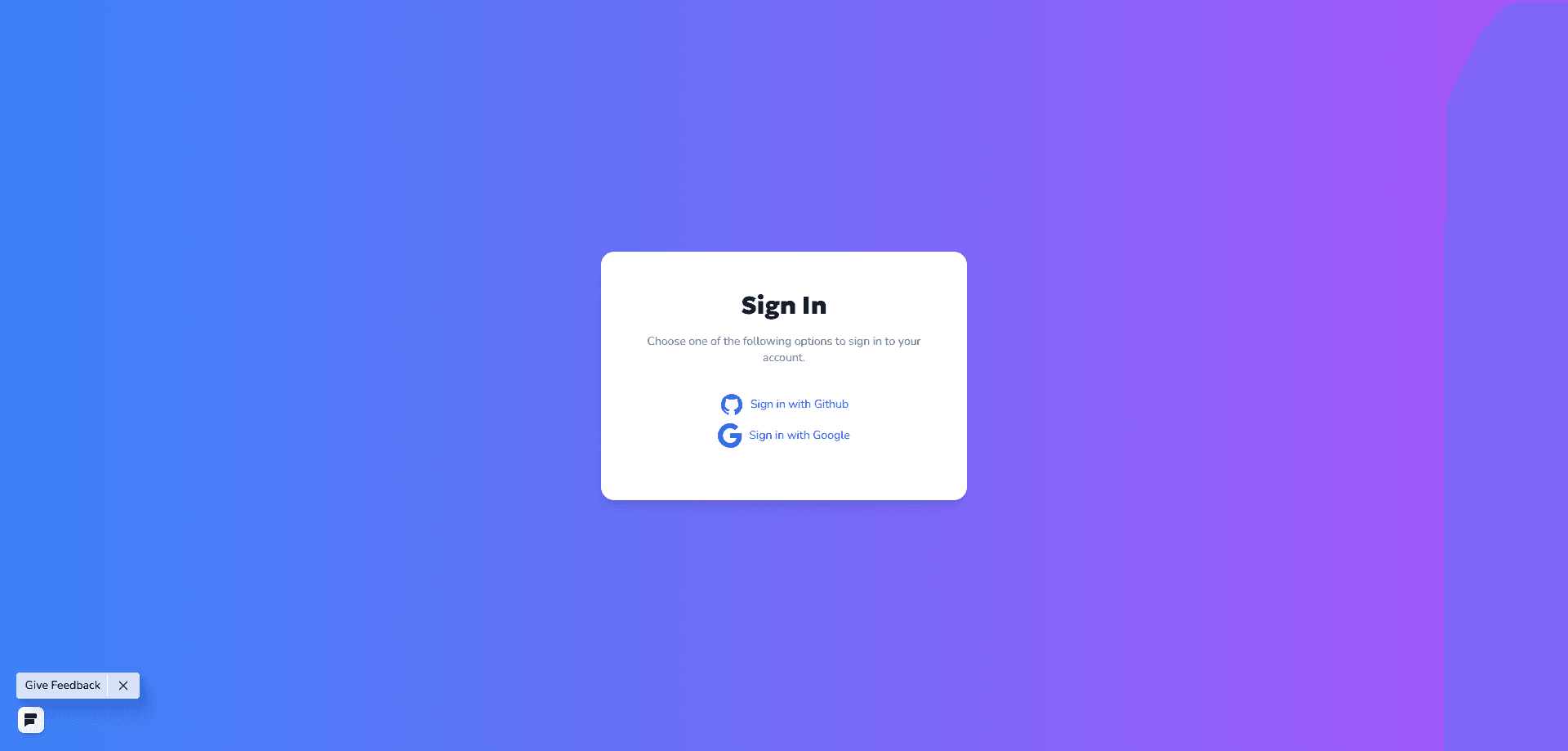
- Sign up for a free account with Google or GitHub and land on the dashboard.
- Add your product, write its description, and upload a screenshot so it passes the automated and manual review.
- Top up credits in any amount if you want your product shown on other channels.
- Create an AMA AI Agent if you want a digital assistant to field questions about your product, then assign it to the listing.
- If you run a website instead, register it as a boosting channel, embed the widget snippet, and start earning.
Product Information
A quick look at Indie Boosting's pricing, supported platforms, and performance.
Best for
The users, tasks, and scenarios where this tool fits best.
Users
- Solo SaaS founders
- AI builders and indie hackers
- Bloggers and niche site owners
Tasks
- Getting your product in front of early users
- Earning from existing traffic
- Handling repetitive questions
Scenarios
- Launch week for a new tool
- Backlink building for SEO
- Side-project monetization
Key features
Widget-Based Distribution
Publishers add one code snippet or a React component to their site, and the widget pulls in products matched to their niche. Makers do not contact publishers one by one. The platform's algorithm decides what shows up, which keeps the process hands-off for both sides.
Credits and Boost Packages
Makers pay as they go. You top up credits in any amount to test the network and can withdraw what you do not use. For bigger pushes there are one-time packages, Boost Pulse at $49 for up to 25,000 impressions and Boost Reactor at $399 for up to 400,000 impressions.
Boosting Channels for Publishers
Site owners register their website as a boosting channel, get a tracking ID, and embed the widget. Indie Boosting says the payout beats Google AdSense by a wide margin, and the dashboard updates earnings in real time so publishers see what each placement earns.
AMA AI Agents
Founders can create an AI agent that acts as a digital version of themselves. The agent answers product questions, offers support around the clock, and can nudge visitors toward a purchase. You write the instructions once and the agent handles the conversation.
MCP Tool Integration
Agents connect to external services through Model Context Protocol tools. That lets an agent check product availability, process an order, or pull data from a CRM instead of only talking. It is an ambitious feature, and its usefulness depends on how many MCP tools you are willing to wire up.
Referral Program
Users can earn up to 40 percent commission for each new member they bring to the platform. It rewards word of mouth, which fits a network that grows through makers promoting it to other makers.
Pros and cons
Pros
- Low entry cost, with a free account and pay-as-you-go credits you can top up in small amounts.
- Two-sided setup means makers get reach and publishers get income from the same widget.
- Product base leans into AI and micro SaaS, so listings sit near a relevant audience.
- AMA AI Agents add front-line support and sales help without a support hire.
- The platform blog and indie hacker community supply backlink building help and guidance beyond raw traffic.
Cons
- Earnings and reach depend on the size of the publisher network, so results vary by niche.
- Credits are required before your product reaches other channels, and it is not obvious upfront how far a given budget stretches.
- AMA AI Agents take effort to configure well, and a weak knowledge base gives shallow answers that can put buyers off.
- The site has a history of maintenance shutdowns, so downtime is a real risk for anyone relying on steady impressions.
Frequently asked questions
It is used to distribute products and monetize traffic. Founders list their SaaS or AI product and pay in credits to have it shown on other sites, while publishers embed a widget and earn from the products it displays.
Related content
Explore related tools, skills, and articles for Indie Boosting.
Indie Boosting Alternatives

Base Code
Base44 (Wix) · Coding · ProductivityBase Code is a shared cloud development environment from Base44. Teammates describe changes to an existing GitHub codebase in chat, preview them live and send them back as pull requests.

Google EmbeddingGemma 2
Google DeepMind · Writing · Image · CodingGoogle EmbeddingGemma 2 is a 740M-parameter open model that turns text, code, images, audio, and video frames into vectors in one 768-dimension space, running on phones and laptops.

GitGlow
GitGlow · Coding · ProductivityGitGlow is a local-first desktop Git client that lets independent developers review their own code and their AI agents' changes in one place before shipping.