

Nullity AI
Nullity AI · Coding · Leaning
Nullity AI is an AI knowledge base builder that turns your documents, audio, PDFs, and websites into a shareable space with its own search engine in about a minute.
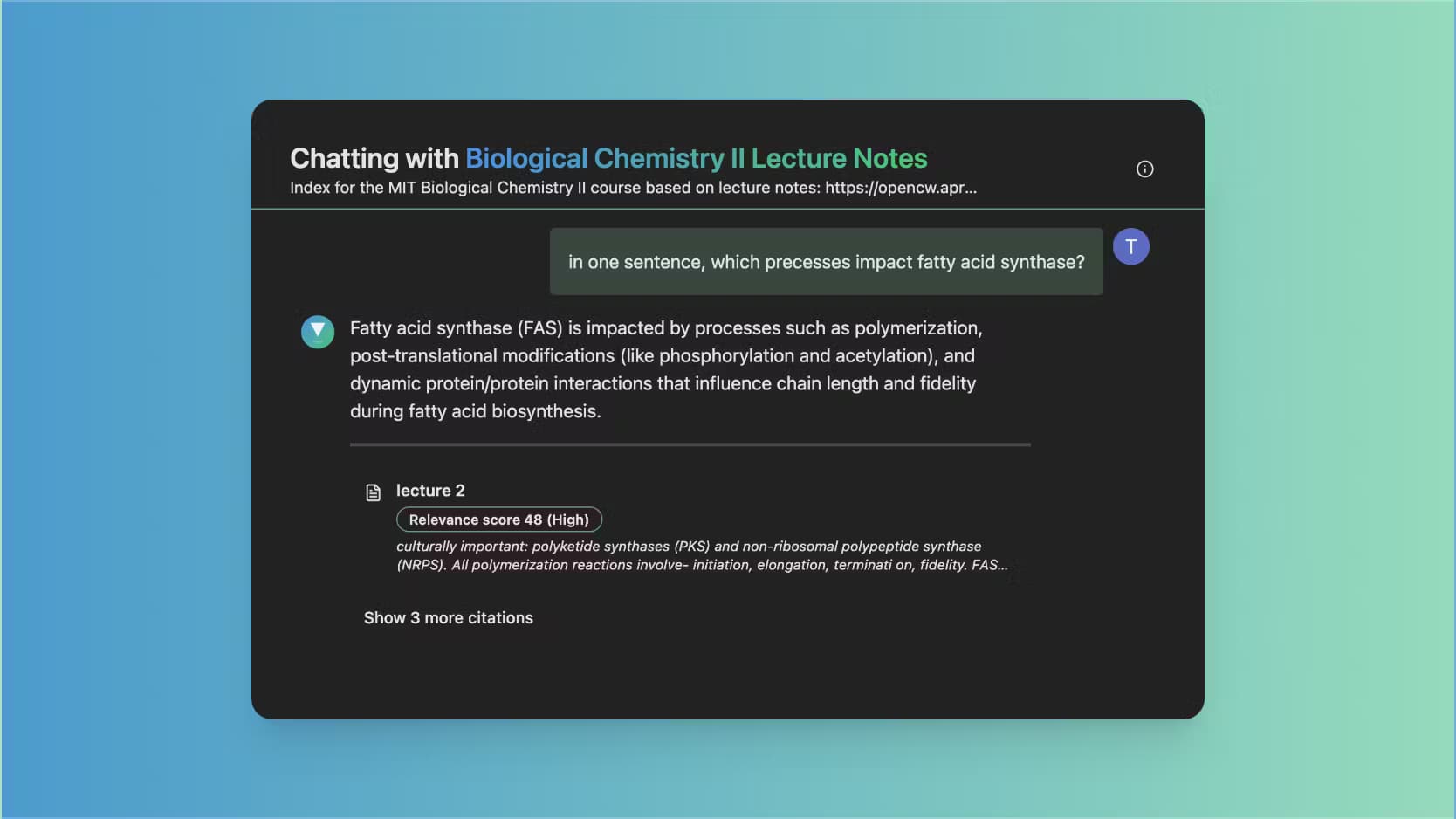
About Nullity AI
What Is Nullity AI
Nullity AI is a platform for building internal and shareable knowledge spaces. You feed it the material your team already has, mixed formats included, and it indexes everything into one searchable place. The pitch is speed: instead of a multi-week rollout, you point it at your sources and get a working search engine in roughly a minute.
The problem it targets is scattered knowledge. Teams keep answers split across PDFs, meeting recordings, shared drives, and public sites, so finding a single fact means checking four tools. Nullity AI pulls those sources into one index and lets people query it in plain language, then reach it where they already work through Slack, Discord, or an embeddable website widget.
There are limits worth knowing. The company publishes little detail on data retention, encryption, and where your content is stored, so regulated teams should ask before uploading sensitive material. Pricing isn't clearly listed on the site either, and the platform leans on AI transcription and crawling, which can stumble on poor audio or heavily scripted pages.
Getting Started
- Go to nullityai.com and create an account with email or a third-party login.
- Start a new space and give it a name for the topic or team it covers.
- Add sources: upload documents and PDFs, drop in audio files, or paste website URLs to crawl.
- Wait for indexing, then ask a question to test how well the space answers.
- Connect the space to Slack, Discord, or a website widget so others can use it.
Product Information
A quick look at Nullity AI's pricing, supported platforms, and performance.
Best for
The users, tasks, and scenarios where this tool fits best.
Users
- Small teams drowning in documents
- Researchers and analysts
- Support and community leads
- Students and independent learners
Tasks
- Searching a stack of scanned PDFs
- Turning recorded meetings into an answerable source
- Indexing a documentation site
- Answering repeat questions inside chat
- Building a custom search engine
Scenarios
- A new hire needs the answer to a policy question on day one
- A podcast host wants to find every past mention of a guest
- A course community keeps re-asking the same setup question
- A consultant prepares for a client call
Key features
Multimodal Knowledge Spaces
A single space can hold documents, audio, PDFs, and website content at once, so you don't juggle separate tools per format. Document indexing runs across every source, so a question can span a meeting recording and a report and one index handles both. You create a space per topic or team and share it with the people who need it.
One-Minute Search Engine Setup
The core claim is speed. You add your sources, and Nullity AI builds a search engine over them in about a minute instead of weeks. For a small team that wants search without a project, that timeline is the difference between trying it and skipping it.
OCR for Scanned Documents
Advanced OCR reads image-only PDFs and scans, so text locked inside a picture becomes searchable. This matters for older contracts, printed reports, and anything that was never born digital. Without OCR, half a document archive stays invisible to search.
AI Audio Transcription
Audio files get converted into searchable text through AI transcription that the company says handles multiple languages and accents. You can index recorded meetings, interviews, and podcasts alongside your written files. Accuracy on noisy recordings is the main risk to plan around.
Website Indexing
An intelligent crawler adds website content to your knowledge space and, per the vendor, respects robots.txt while handling complex dynamic sites. That lets a public help center or documentation site become another source in the same index. Dynamic pages that load content through scripts are the hardest case for any crawler.
Slack and Discord Access
You can chat with a Nullity space inside Slack or add it as a Discord bot, so teammates query knowledge without switching apps. Bringing search into existing chat tools is often what gets people to actually use it. It keeps the knowledge base close to where questions already show up.
Website Widget
An embeddable widget puts your space on a website, which suits public-facing or community knowledge. Visitors get answers on the page rather than emailing support. It turns an internal knowledge base into a light self-service layer.
Pros and cons
Pros
- Combines documents, audio, PDFs, and websites in one index, so you search everything at once.
- OCR makes scanned documents searchable, which covers archives that never had a text layer.
- Audio transcription turns recordings into queryable text, useful for meetings and interviews.
- Slack, Discord, and website integration meets people where they already work.
- Fast setup means a small team can test it in an afternoon, not a sprint.
Cons
- The site offers thin detail on data retention, encryption, and storage location, so regulated teams must ask before uploading sensitive files.
- Pricing isn't clearly published, which makes budgeting harder before you commit.
- Transcription and search quality drop on noisy audio and scripted or dynamic pages.
- The index is only as good as the sources you feed it, so messy inputs produce weak answers.
Frequently asked questions
Nullity AI is an AI knowledge base builder. It turns documents, audio, PDFs, and websites into a searchable space with its own search engine, which you can share or keep internal.
Related content
Explore related tools, skills, and articles for Nullity AI.
Nullity AI Alternatives

Base Code
Base44 (Wix) · Coding · ProductivityBase Code is a shared cloud development environment from Base44. Teammates describe changes to an existing GitHub codebase in chat, preview them live and send them back as pull requests.

Google EmbeddingGemma 2
Google DeepMind · Writing · Image · CodingGoogle EmbeddingGemma 2 is a 740M-parameter open model that turns text, code, images, audio, and video frames into vectors in one 768-dimension space, running on phones and laptops.

GitGlow
GitGlow · Coding · ProductivityGitGlow is a local-first desktop Git client that lets independent developers review their own code and their AI agents' changes in one place before shipping.