

Worlds Beyond NFT
FredBear Games · Business
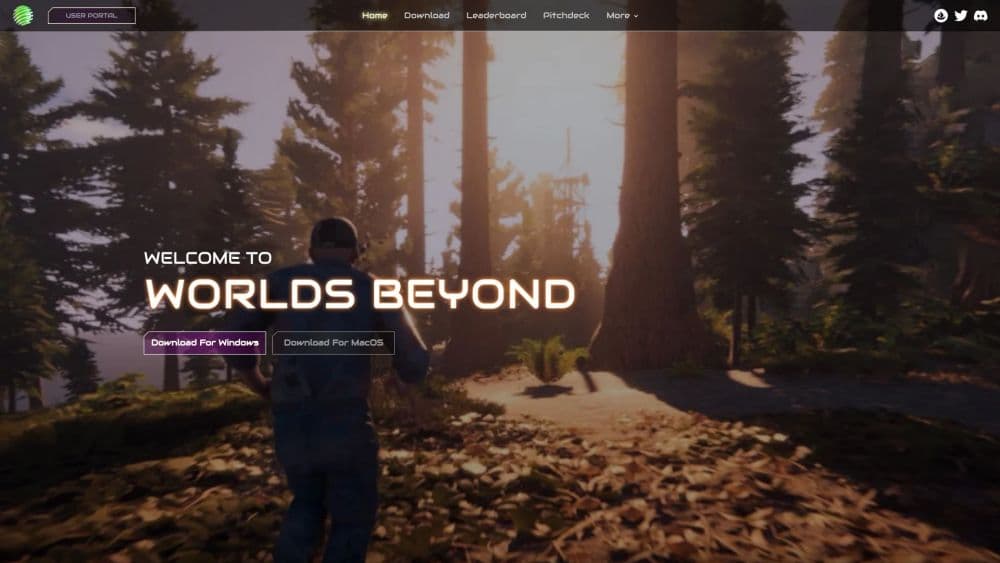
Worlds Beyond NFT is FredBear Games' community-driven metaverse, a world of autogenerated biomes where land owners build and customize experiences for others to explore.
About Worlds Beyond NFT
What Is Worlds Beyond NFT
Worlds Beyond is a metaverse project from FredBear Games, a studio best known for mobile titles. The pitch centers on land: the world generates itself into distinct biomes, and the people who own plots decide what happens on them. Owners build attractions, games, or shared spaces, then open them to other players.
The idea borrows from the land-ownership model that defined Web3 gaming for a few years. You buy a parcel, you customize it, and you hope other people show up to use what you made. FredBear frames this as community driven. In that framing, the world's value comes from what owners and visitors create together rather than from the studio alone. The wider goal is a functioning blockchain metaverse, where plots and the things built on them hold meaning beyond one game.
The honest part is harder to find. The project's official site at worldsbeyondnft.com no longer hosts the game and now redirects to unrelated content, which is a common sign that a Web3 title has gone quiet. FredBear's own site still lists Worlds Beyond as a metaverse project with autogenerated lands, but without pricing, a whitepaper, or an active community hub. Anyone curious should treat the concept as a design idea and check for fresh activity before expecting a live product.
Getting Started
- Check FredBear Games' site and social channels to confirm the project is still active. The original worldsbeyondnft.com domain no longer serves the game.
- Look for a live marketplace or land sale listing that names Worlds Beyond, and note which blockchain and wallet it asks for.
- Connect a compatible crypto wallet if a current sale exists, then review what a plot costs and what it includes.
- Customize your land once you own access. You pick the biome, buildings, and experiences you want to offer.
- Publish the space and invite other players in. The world's draw depends on people actually visiting.
Product Information
A quick look at Worlds Beyond NFT's pricing, supported platforms, and performance.
Best for
The users, tasks, and scenarios where this tool fits best.
Users
- Players who enjoy building more than playing
- Collectors drawn to virtual land
- Communities looking for a shared canvas
Tasks
- Building custom attractions
- Exploring autogenerated worlds
- Trading or holding virtual land
- Testing Web3 world ideas
Scenarios
- A virtual gallery or event space
- A portfolio experiment in metaverse land
- A research look at blockchain gaming
Key features
Autogenerated Biomes
The land generates itself into different biomes, so each area carries its own look and feel without a designer placing every detail by hand. That variety is meant to keep exploration interesting and give owners a distinctive setting to build on. The trade-off is that generation can feel samey once you've seen a few regions.
Owner-Led Customization
Owners decide what their land becomes, from the terrain to the experiences offered on top of it. The studio's role is to provide the world; the community fills it in. This model works well when owners are motivated and active, and it stalls when they aren't.
Community-Driven World Building
FredBear describes Worlds Beyond as community driven. Under that model, the world's value grows from what owners and visitors make of it together. That framing puts the emphasis on collaboration rather than a single studio's content pipeline. It also means the experience depends heavily on how many people actually participate.
Build and Share Experiences
Owners can construct experiences for others to enjoy, turning a plot into something visitors want to spend time in. Building for an audience, not just for yourself, is the core loop the project pushes. That loop needs a steady stream of visitors to stay rewarding.
Exploration by Land Ownership
The world splits into parcels that people can own, which gives exploration a structure: you move between lands that different people control. It creates a patchwork feel, since each plot reflects its owner's taste. The flip side is uneven quality across the map.
FredBear Games' Mobile Pedigree
FredBear Games built its reputation on mobile games, and the studio points to that catalog when it talks up Worlds Beyond. A track record in shipping games counts for something. It's no guarantee of success in the very different Web3 market, however.
Pros and cons
Pros
- The autogenerated biome system gives each plot a distinct setting, which suits players who value variety over a single handcrafted map.
- Ownership sits with the community, so land holders shape the world instead of only consuming studio-made content.
- Building and sharing experiences is the core loop, which appeals to creators who want an audience for what they make.
- FredBear Games brings a real mobile game catalog to the project, which is more than many Web3 land projects can show.
Cons
- The original site at worldsbeyondnft.com no longer hosts the game and redirects elsewhere, a serious sign the project is dormant.
- No public pricing, whitepaper, or active marketplace is easy to find, so buyers can't verify what a plot costs or what they get.
- Land-ownership metaverse games have a poor track record, and many that launched with fanfare now sit empty.
- Value depends on other players showing up, which means a quiet world makes any land purchase close to worthless.
Frequently asked questions
Worlds Beyond is a metaverse project from FredBear Games, built around autogenerated biomes where land owners customize and build experiences for other players to explore. It follows the land-ownership model common in Web3 gaming.
Related content
Explore related tools, skills, and articles for Worlds Beyond NFT.
Worlds Beyond NFT Alternatives

Knocket
Knocket (Tencent RTC team) · Productivity · Business · ChatbotKnocket is a free live chat and contact page tool that lets visitors message you from your website, app, or a shareable link, with every reply handled from Telegram or one inbox.

shippedit.me
Krawlup · Marketing · Businessshippedit.me now redirects to Krawlup, a web platform that audits SEO, AEO and page speed every week, then hands the fixes to AI coding agents over MCP.

Ayven
Alknoma · Productivity · BusinessAyven is an AI control centre by Alknoma that turns a plain-language goal into a dated plan, hands the work to your people and AI agents, and asks for your approval only when the call is yours.