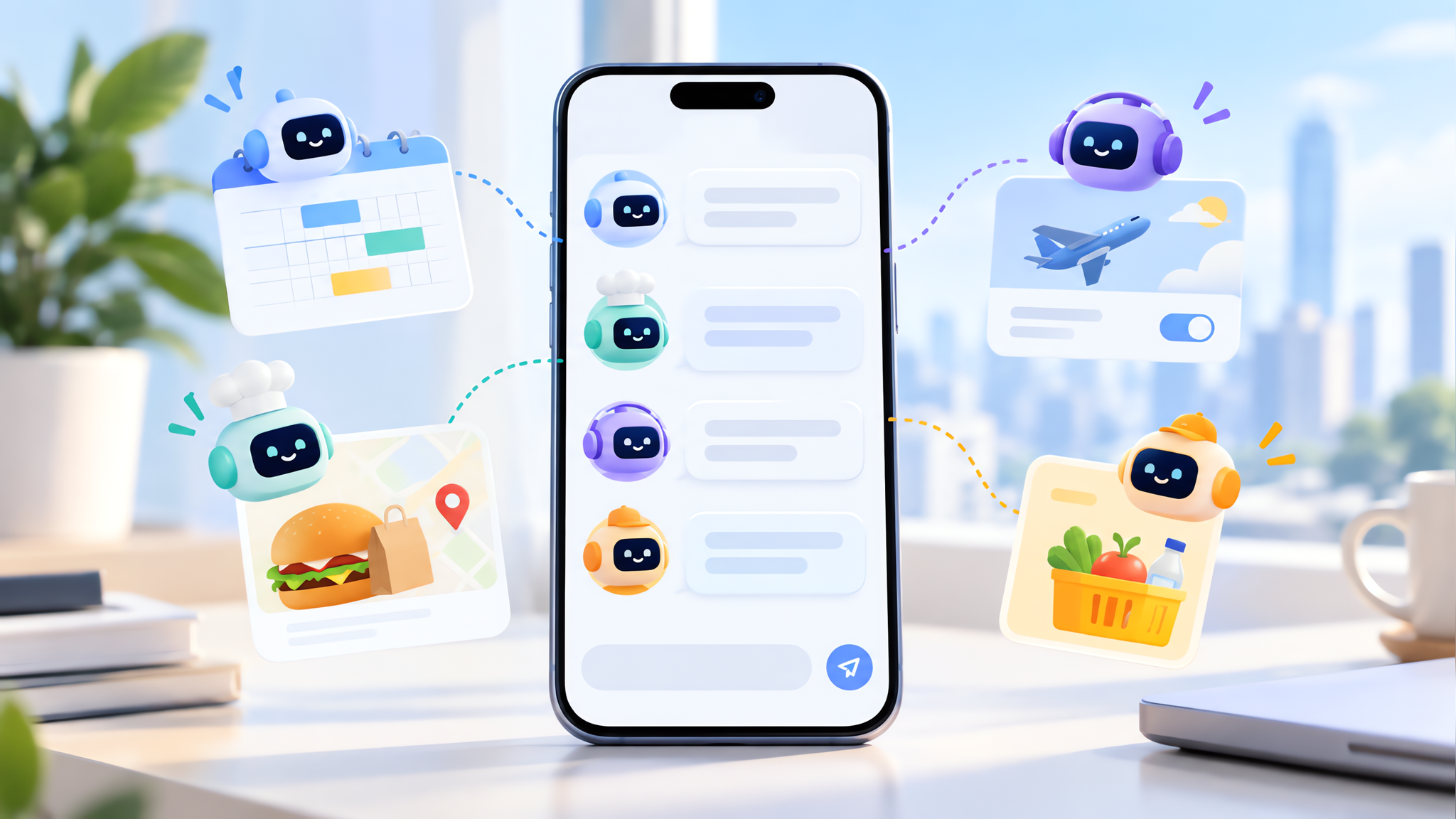
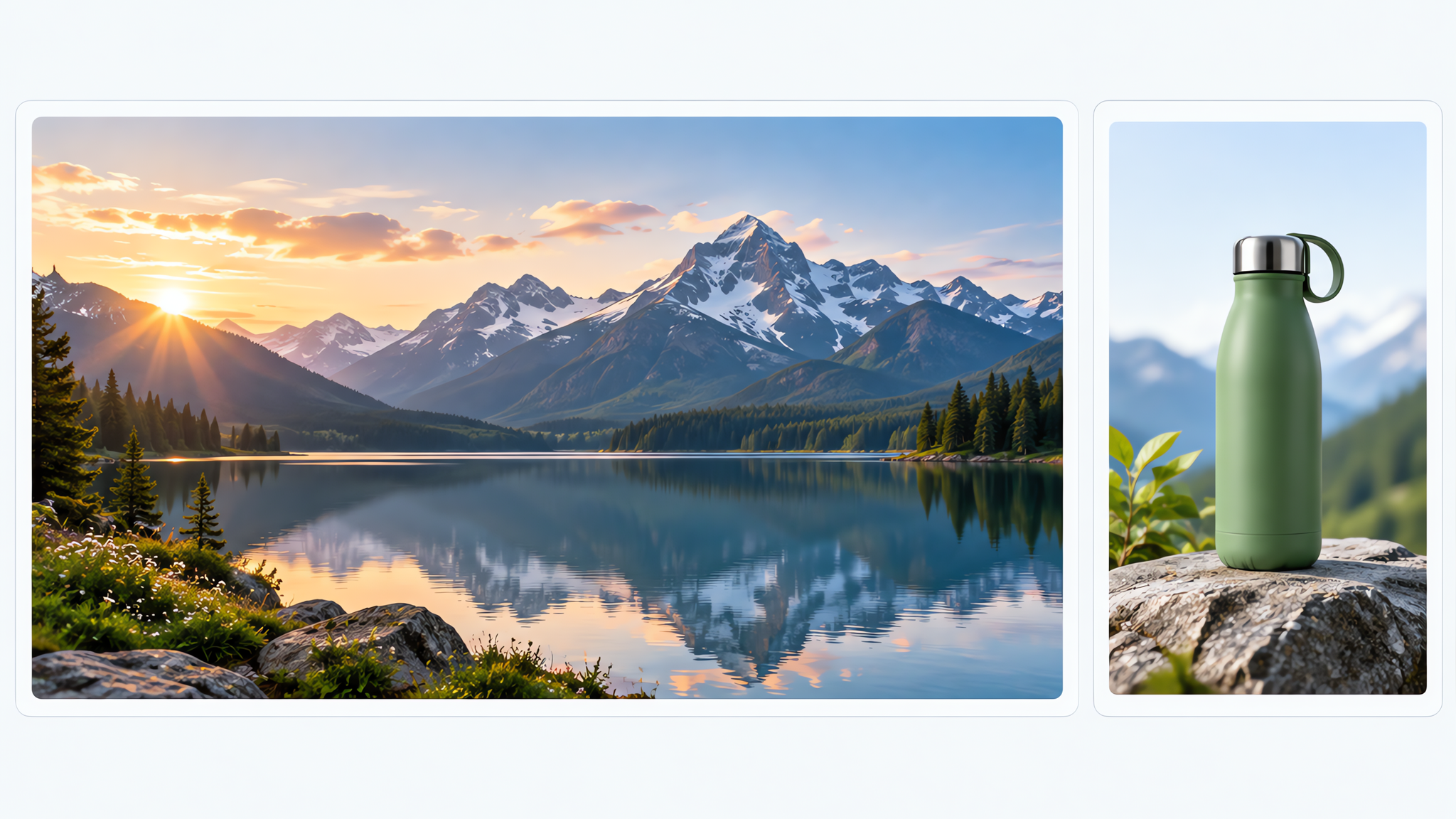
OpenAI will start testing image-based ads inside ChatGPT alongside the pictures users ask it to generate. The US pilot begins later this month, and the company insists the ads won't change the answers people get.
ChatGPT's New Visual Ad Format, Explained
OpenAI announced a new visual ad format on October 5. The first place it shows up is image generation inside ChatGPT, where ads appear next to the image being created rather than inside it. The company says ads will be clearly labeled and stay separate from the generated picture.
Testing starts later this month in the United States with an initial group of advertisers. No word yet on a wider rollout. Nor on which advertisers are first in line.
The visual angle is the notable shift. Until now, ad formats tied to AI chat have been mostly text. An image ad can show a product in use or an experience it enables, which is closer to how display advertising works elsewhere on the web. For brands, that's a more familiar canvas. For OpenAI, it's a new way to sell space on a screen that already holds 1.2 billion weekly users.
A notable shift in format.
Does Advertising Change What ChatGPT Says?
This is the question most users will ask, and OpenAI's answer is no. The company states that advertising doesn't influence the answers ChatGPT provides, and that ads in image generation remain separate from the image itself. Labeling is meant to make clear what's paid placement and what isn't.
That separation is the promise to watch. Ads that sit beside results are easier to keep honest than ads blended into them, and OpenAI has leaned on that distinction since it first introduced advertising in ChatGPT. Whether the boundary holds as formats expand is something users and regulators will judge over time.
Easy to promise. Harder to keep.
The Measurement Stack Behind ChatGPT Ads
Alongside the new format, OpenAI expanded the tools advertisers use to track whether ChatGPT ads work. Integrations with Hightouch, Tealium, and LiveRamp let advertisers send conversion data from their existing systems into ChatGPT Ads.
The company also added attribution partners across web and app environments, supporting Conversions API, reporting, and click attribution with firms including AppsFlyer, Triple Whale, Adjust, Northbeam, Branch, Singular, and Kochava. For brands that already run performance marketing elsewhere, this means ChatGPT Ads can plug into the same dashboards they use today instead of living in a separate silo.
OpenAI is also exploring incrementality, the harder question of whether an ad caused a sale or just happened to be nearby. Not easy to answer. That work is early, with partners like Haus, Measured, and WorkMagic running geo-based experiments.
Ad tooling | What it adds |
|---|---|
Hightouch, Tealium, LiveRamp | Send conversion data from existing systems |
AppsFlyer, Adjust, Northbeam | App and web attribution and reporting |
Haus, Measured, WorkMagic | Early incrementality experiments |
Why OpenAI Is Leaning Into Ads
OpenAI says ChatGPT reaches 1.2 billion people a week, calling it the world's largest AI-native consumer platform. That's the company's own figure. Not an independent count.
The business logic runs like this. Advertising lets OpenAI bring AI to more people by serving a much larger market than subscriptions alone, while giving advertisers a way to reach users as they explore products. In plain terms, free or cheaper access has to be funded somehow, and ads are the lever.
That framing puts the trade-off in front of readers. More ad revenue can mean broader free access, and it also means more paid placements on a screen people use for research, writing, and decisions. Where does that balance land? A matter of taste, but the direction is clear. OpenAI is building out ad infrastructure as a core part of the product, not a side experiment.
What to Watch as the US Pilot Starts
The pilot is small and US-only for now, so most users won't see visual ads immediately. What should you watch for? Three things: how clearly the labels read in practice, whether the ads stay visually distinct from generated images, and how quickly the format spreads beyond image generation.
If you use ChatGPT for image work, expect to see the new panel during the test window and to be able to tell it apart from the picture you asked for. If you run a business, the expanded measurement partners mean ChatGPT Ads can be evaluated like any other channel. Both groups get a clearer picture of the format once testing begins later this month.