

AlterMe
AlterMe · AI Assistant
AlterMe is a DNA-based fitness system that pairs a genetic test, a biometric ring or wristband, and an adaptive app to build exercise, nutrition, sleep, and recovery plans around your body.
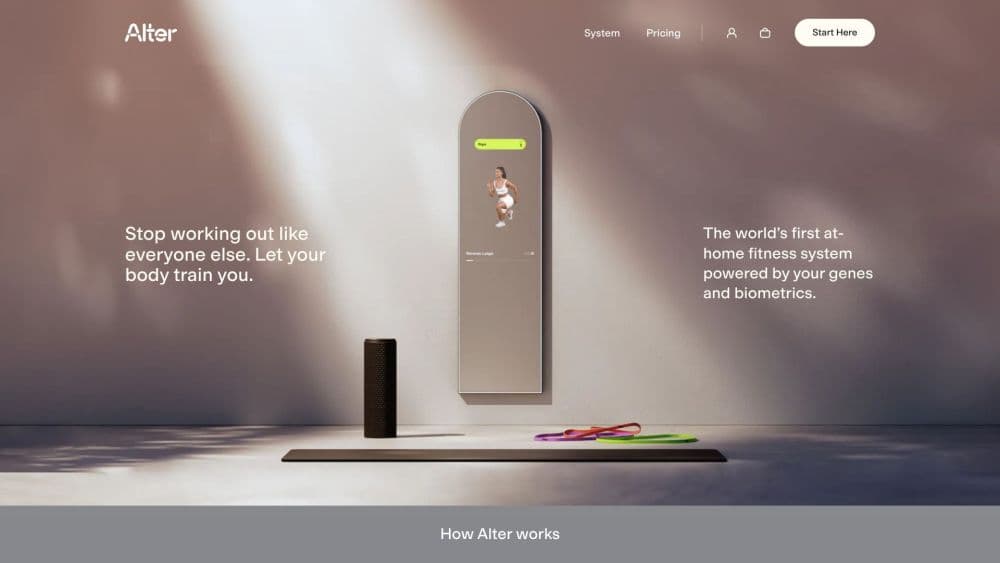
About AlterMe
What Is AlterMe
AlterMe is a subscription wellness system with three parts: a DNA test kit, a wearable that tracks HRV, resting heart rate, sleep, activity, and recovery, and an app that turns both signals into a daily plan. The idea is that generic programs ignore how your body actually responds to training and food. This genetic fitness plan starts from your genes, then keeps adjusting as your wearable data comes in.
The company describes the system as built with Olympic coaches, Mayo Clinic physicians, and Stanford sleep researchers, and it markets the product as HSA/FSA eligible. On its own site, AlterMe reports that members felt more in control of their health after six months, based on a member survey rather than an independent clinical trial. Treat those numbers as the company's own claims.
The limits matter before you pay. A DNA test is a one-time snapshot, so the genetic half of the plan doesn't change after the first results. The monthly plan cost stays separate from the recurring $19/mo membership fee attached to both systems. And the app works best with the AlterMe wearable, which comes in the box rather than syncing from whatever tracker you already own. If you want a cheap workout app, this isn't it. If you want a guided system that reads your biology first, it fits.
Getting Started
- Order the system that matches your budget and the membership length you can commit to.
- Activate the DNA kit in the app and mail the swab to the lab.
- Charge the AlterMe ring or wristband and link it so biometric tracking begins.
- Read the DNA report, then set the goal the plan should aim for.
- Open the app each morning, check readiness, and do the session it assigns.
Product Information
A quick look at AlterMe's pricing, supported platforms, and performance.
Best for
The users, tasks, and scenarios where this tool fits best.
Users
- People who have stalled on generic plans
- GLP-1 users who need a nutrition and training plan
- Strength and longevity focused adults
Tasks
- Getting a weekly training plan you don't have to design
- Setting protein, fat, and carb targets from genetic data
- Tracking body composition and biological age
- Coordinating sleep and recovery with training load
Scenarios
- Six months of structured training after years of guessing
- Training while on a weight loss drug
- Someone who wants one place for workouts, food, and sleep instead of four apps
Key features
DNA Test and Genetic Blueprint
Every AlterMe system starts with a DNA test. The Starter kit covers 12 traits across nutrition, exercise, sleep, and recovery, including protein and carb response, strength versus cardio tendency, bone density, chronotype, and stress resilience. The DNA+ Advanced kit expands to 200+ traits, adding hunger and satiety markers, micronutrient metabolism, injury risk, caffeine sensitivity, and cortisol regulation. The lab is CLIA certified, and the company says samples are de-identified and destroyed after testing.
Wearable Biometric Tracking
The AlterMe ring or wristband measures HRV, resting heart rate, stress, activity, and recovery, and it's included with both systems. Those readings drive the daily readiness score that decides how hard your workout should be. This is the part most fitness apps leave out: instead of asking how you feel, AlterMe reads it from your body and adjusts the plan without you touching a setting.
Adaptive Weekly Plan
The plan rebuilds itself every week from three inputs: your DNA results, your wearable data, and your stated goal. You don't pick workouts from a library after week one. Each day the app serves its personalized workout plan, whether that's a strength session, a cardio block, a mobility routine, or a recovery class. That removes the planning work, and it also means you give up some control over what you train on any given day.
DNA-Based Nutrition Guidance
The DNA nutrition plan sets a calorie target and a protein, fat, and carb split from your genetic profile rather than a bodyweight formula. Meal planning and recipes follow the same targets. For anyone tracking macros, the value is the starting point: you skip weeks of trial and error and adjust from a science-backed baseline instead.
Recovery, Sleep, and Breathwork Library
The app includes guided breathwork, stretching, meditation, and yoga sessions, refreshed regularly. Sleep timing advice aligns with your chronotype, and the recovery library gives you something to do on low readiness days other than skipping entirely. For people who train hard and sleep badly, that combination covers the gap most strength apps ignore.
Body Composition and Biological Age Tracking
Body composition tracking and a biological age estimate sit in the app alongside weight. Biological age moves slowly, which is useful when daily scale numbers jump around. The metric gives you a second signal on whether the plan is working, especially for people chasing longevity rather than fat loss.
Pros and cons
Pros
- The plan starts from DNA data instead of a fitness questionnaire, which means the baseline reflects how your body responds to training and food.
- Wearable data feeds the plan daily, so a rough night changes tomorrow's workout without you editing anything.
- One system covers training, nutrition, sleep, and recovery, which replaces several subscriptions.
- HSA/FSA eligibility can offset part of the cost for people with those accounts.
- The Advanced tier bundles a three year membership, which brings the effective monthly cost down compared with paying month to month.
Cons
- It's expensive. The systems run $1,299 or $1,899 up front, and a $19/mo membership fee applies on top of the stated monthly price.
- You're locked into AlterMe hardware. There's no option to skip the ring and sync an Apple Watch or Oura you already own, so the cost includes a device you may not need.
- DNA results are a one-time test, so the genetic side of the plan stays fixed while only the biometric side adapts.
- The membership length runs one or three years, which is a long commitment for a product most people haven't tried before.
Frequently asked questions
AlterMe is a personalized fitness system that combines a DNA test, a biometric wearable, and an app. Your genetic results and wearable data feed a weekly plan for workouts, nutrition, sleep, and recovery.
Related content
Explore related tools, skills, and articles for AlterMe.
AlterMe Alternatives
Agibot
Agibot · Productivity · AI Assistant · ChatbotAgibot is a personal AI agent for Mac that keeps running after you close the window, runs routines on a schedule, and works from Telegram or Slack with your own API keys.

Foley
Hanamori Labs, LLC · Voice & Language · Productivity · AI AssistantFoley is a voice to-do list that turns a spoken sentence into a filed task, complete with project, date and time, then helps you plan the day around what is already there.

Ghost Core
Ghost · Productivity · AI AssistantGhost Core is a $3,499 screenless personal AI computer that runs local AI models on its own hardware, builds context from your apps and devices, and acts without waiting for a prompt.