

DocAssist AI: Your Clinical Assistant
Eka Care (Eka.care) · Productivity · AI Assistant
DocAssist AI is Eka Care's clinical assistant that turns live consultations into structured notes, e-prescriptions, and follow-ups, in 15+ Indian languages and alongside any hospital EMR.
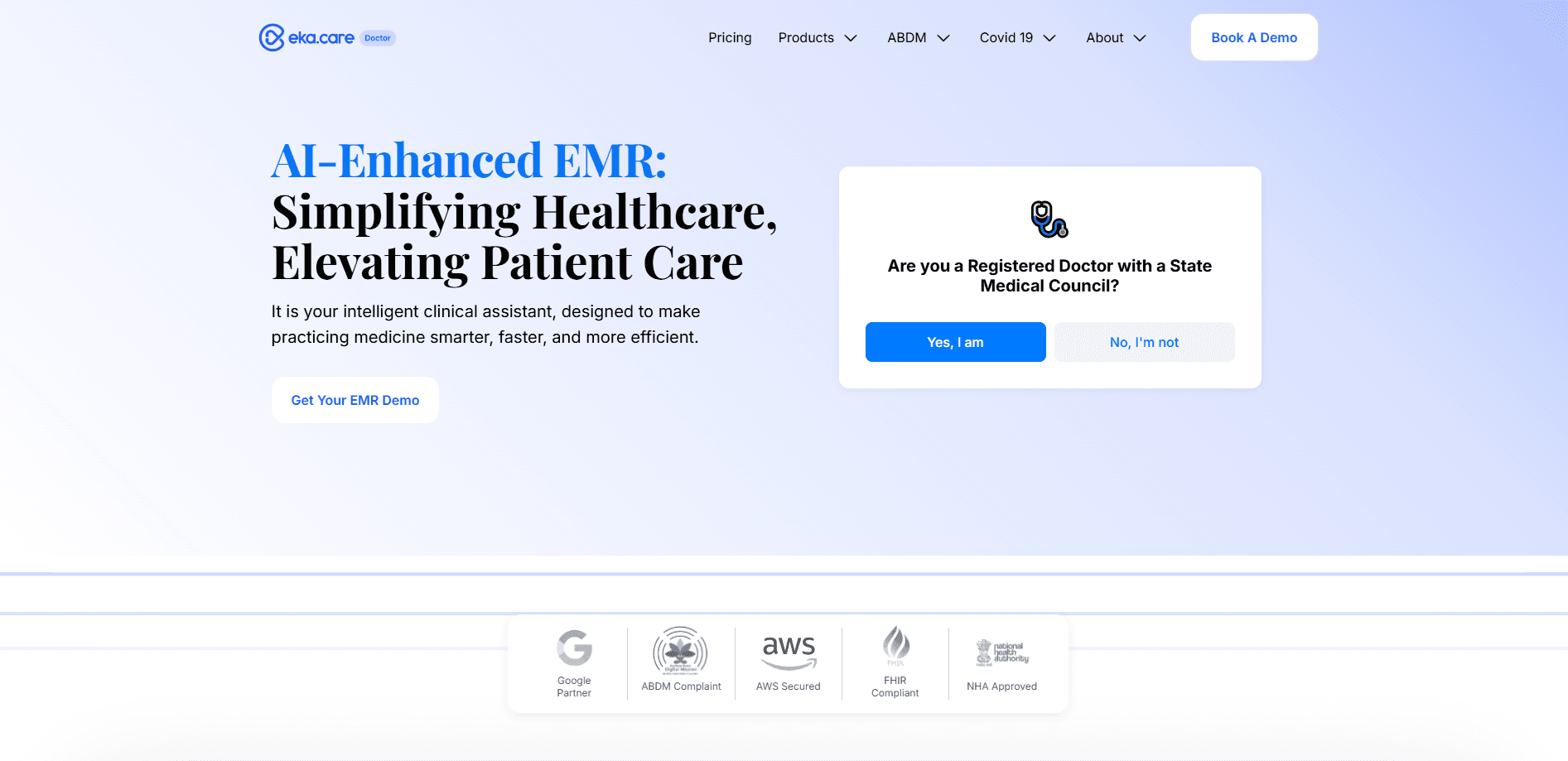
About DocAssist AI: Your Clinical Assistant
What Is DocAssist AI
DocAssist AI is the clinical documentation layer inside Eka Care, an AI native health platform built for Indian clinics and hospitals. Doctors speak with a patient as usual, and the assistant listens, then drafts a structured clinical note and a digital prescription the clinician can review and sign. Eka Care says the tool saves clinicians more than 12 hours of documentation every week.
The product targets a real bottleneck. Indian doctors lose a large part of the working day to typing notes and filling the same fields twice across separate systems. DocAssist AI keeps the consultation as the primary event and lets the paperwork follow from it, rather than asking the doctor to step out of the conversation and type.
The biggest limit is context. The assistant is tuned for outpatient and clinic workflows and Indian language coverage, so specialists with unusual documentation habits may still edit heavily. It also runs on Eka Care's own EMR and ABDM stack, which means full value depends on adopting that platform rather than running it standalone.
Getting Started
- Download the Eka Care app or sign in to the web dashboard as a clinician and verify your registration.
- Set up your clinic profile, consultation templates, and preferred languages for notes and prescriptions.
- Start a consultation in Eka Scribe and speak with the patient, or dictate notes after the visit.
- Review the AI-generated note and e-prescription, adjust anything the model missed, then sign and share it with the patient over WhatsApp.
Product Information
A quick look at DocAssist AI: Your Clinical Assistant's pricing, supported platforms, and performance.
Best for
The users, tasks, and scenarios where this tool fits best.
Users
- Solo clinic doctors
- Small clinic teams
- Hospitals and diagnostic centres
Tasks
- Writing clinical notes during or after a consultation
- Generating e-prescriptions
- Reviewing longitudinal patient history
- Asking for clinical guidance
Scenarios
- A busy morning OPD where a doctor sees one patient after another and needs notes ready between visits.
- A clinic that must keep records ABDM compliant for India's digital health network.
- A follow-up-heavy practice that relies on automated reminders to bring patients back.
Key features
Voice-to-Prescription in Indian Languages
Eka Scribe listens to a consultation in more than 15 Indian languages and turns it into a prescription and clinical note. A doctor can consult naturally instead of typing, then review the draft. This matters most for practices that mix languages through the day and would otherwise translate notes by hand.
Automatic Clinical Note Generation
The AI medical scribe turns a spoken visit into structured documentation, including the kind of SOAP-style notes clinics expect. For doctors who want AI notes without hiring a typist, this is the core of the product. Because the note starts from the actual conversation, the first draft usually carries details a tired doctor would drop at the end of the day. Clinicians still review and edit before signing.
Clinical Decision Support in the Workflow
During a consultation, the tool surfaces evidence-based guidance tied to that patient's history, from drug interactions to suggested investigations. Alerts are contextual rather than generic, so the goal is fewer missed risks without a wall of pop-ups. The guidance appears alongside the note and prescription, not in a separate screen.
Works With Any Hospital EMR
DocAssist AI is built to sit next to an existing hospital EMR rather than replace it. That lets a clinic keep its current record system while adding the AI documentation layer on top. It is part of the wider Eka Care stack, so teams that adopt the full EMR get tighter integration.
ABDM and ABHA Connect
Eka Care connects to India's ABDM network, so providers can verify patients through ABHA, then fetch or share medical records with patient consent. For clinics that need to stay inside the national digital health system, this keeps the assistant on the right side of the requirements.
EMR, Patient Records and WhatsApp Follow-ups
The platform pairs the assistant with a clinic EMR, patient queues, video or in-person visits, and follow-up reminders sent over WhatsApp. Records, prescriptions, and next-visit messages live together, which cuts the number of tools a front desk has to juggle.
Developer APIs for Health Apps
Eka Care exposes health APIs and a developer portal, so teams can build clinical grade apps on the same data foundation. That makes the platform useful beyond the clinic app itself, for builders who want prescriptions, appointments, and patient records as services.
Pros and cons
Pros
- Cuts documentation time on routine outpatient visits while keeping the doctor in the conversation.
- Covers more than 15 Indian languages, which suits multilingual real world clinics.
- Ships with an ABDM compliant record, WhatsApp follow-ups, and a clinic EMR in one place.
- Public APIs and a developer portal let teams extend it beyond the doctor app.
- Works alongside an existing hospital EMR for clinics not ready to switch systems.
Cons
- The strongest features are tied to the Eka Care platform, so the tool is not a drop-in add-on for every record system.
- Specialists with unusual note formats will still spend time editing drafts.
- Pricing beyond the free tier is custom, so clinics cannot compare costs up front without talking to sales.
Frequently asked questions
It handles clinical documentation: turning a live consultation into a structured note, an e-prescription, and follow-up messages. Doctors use it to spend less time on paperwork and more time with patients.
Related content
Explore related tools, skills, and articles for DocAssist AI: Your Clinical Assistant.
DocAssist AI: Your Clinical Assistant Alternatives

Base Code
Base44 (Wix) · Coding · ProductivityBase Code is a shared cloud development environment from Base44. Teammates describe changes to an existing GitHub codebase in chat, preview them live and send them back as pull requests.

Knocket
Knocket (Tencent RTC team) · Productivity · Business · ChatbotKnocket is a free live chat and contact page tool that lets visitors message you from your website, app, or a shareable link, with every reply handled from Telegram or one inbox.

FloorGen
Vinit Kumar (FloorGen) · Productivity · China AIFloorGen is a browser-based floor plan maker that turns a sentence or a sketch into an editable 2D plan and a 3D walkthrough. Export to PDF, DXF or video, and draw without an account.