

Liznr
Liznr Labs Private Limited · Productivity
Liznr is an AI legal research tool for Indian lawyers that pulls verified Supreme Court and High Court precedents, predicts opposing arguments and drafts court filings.
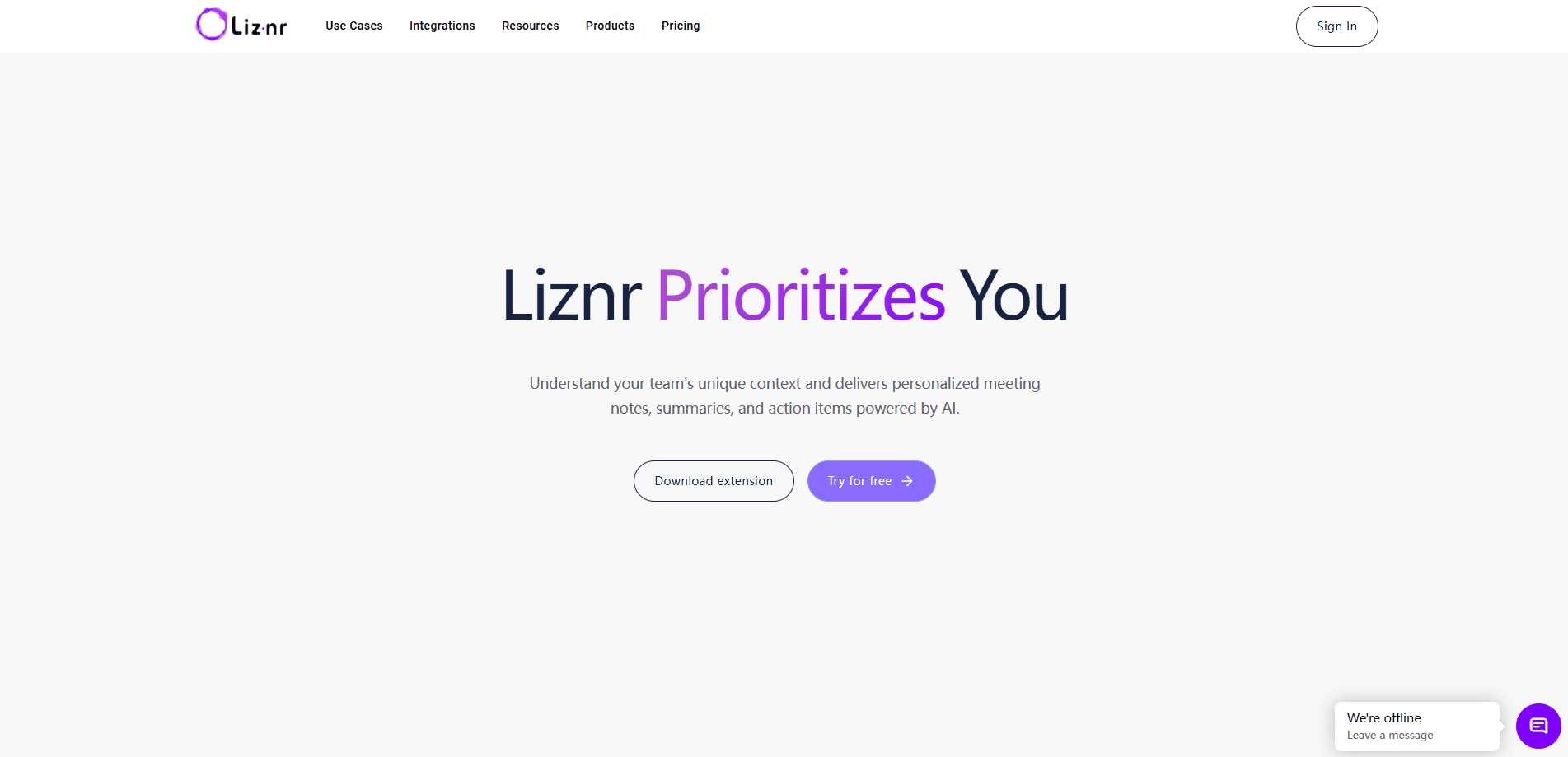
About Liznr
What Is Liznr
Liznr is an AI legal research and drafting tool built for Indian litigators, and it doubles as a litigation research tool for chambers that never had one. You describe a matter by case type, court and side, and it returns the controlling precedents, the statutory provisions and a first draft in court format. The company's whole pitch rests on one promise: it tells you when it can't verify an authority instead of inventing one.
That promise is a direct answer to a real problem. Over the past two years, Indian courts have recalled orders, imposed costs and treated fabricated case law as misconduct after lawyers filed AI-generated citations that didn't exist. A general chatbot will write a citation that sounds right. Liznr is designed to check each authority against real judgments before it reaches your draft.
It isn't a magic wand. Liznr keeps the human in the loop, and the company states plainly that responsibility for what gets filed stays with counsel. The free tier is a 7-day trial on a live matter, not an open-ended plan, so it rewards lawyers who already have a case in hand and want to test the research quality before committing.
Getting Started
- Start the 7-day free trial from the Liznr site and either register or sign in with Google or Microsoft
- Pick your matter: case type, court, which side you're on and what you need, then add the facts in Hindi or English
- Let Liznr find the controlling precedents and statutory provisions, checking each authority as it goes
- Review the strategy, the arguments the other side is likely to raise, and the first draft, then query further or download it for review
Product Information
A quick look at Liznr's pricing, supported platforms, and performance.
Best for
The users, tasks, and scenarios where this tool fits best.
Users
- Trial court advocates
- Young litigators
- Legal researchers and students
- Small chambers
Tasks
- Precedent research
- Bail strategy
- Drafting filings
- Anticipating the other side
- Quick callback on a point
Scenarios
- An advocate prepping an anticipatory bail application the night before a hearing
- A junior lawyer handed a research brief with no senior to ask
- A chamber deciding whether to take a matter
- A student writing a paper on criminal procedure
- A lawyer working in Hindi
Key features
Grounded in Real Judgments
Liznr builds its answers from Supreme Court and High Court judgments rather than from what a language model happens to remember. Every authority it hands you can be opened and checked, which is the core difference from a general chatbot. For a litigator, that turns a citation from a liability into something you can rely on after a quick read.
Tells You When It Doesn't Know
When no verified authority supports a proposition, Liznr says so and keeps that point out of your draft instead of dressing it up. The product is deliberately built to be right first and fast second. That single behaviour is what makes it usable in a field where a confident wrong answer is worse than an incomplete one.
Opponent Argument Prediction
On the Pro plan, Liznr sketches the arguments the other side is most likely to raise, based on the case type, the forum and your facts, and pairs them with ready responses. It doesn't read minds, but it front-loads the prep you'd otherwise do late at night. Treat it as a starting checklist, not a prediction of what will actually happen.
Drafting in Court Format
Liznr works as legal drafting software as much as a research engine: it produces bail applications, petitions, legal notices and replies in the format Indian courts expect. The company frames what used to take three hours as a fifteen-minute route to a reviewable draft. It's a first draft to edit, not a filing to sign, and the editing is where your judgment still matters most.
Hindi, English and Hinglish
You can describe a matter the way you'd explain it to a junior, in Hindi, English or a mix, and get clean output in the language you file in. Hindi support is rare among legal research tools, most of which are built English-first. For advocates working in Hindi-speaking courts, that alone can decide whether an AI legal assistant gets used.
Follow-Up Questions
You can push back on an answer, narrow an issue or ask for more authorities on one point without starting the matter over. This keeps the research conversational, the way a discussion with a colleague would go. Each follow-up stays tied to the matter, so the thread of reasoning doesn't get lost.
Pros and cons
Pros
- Citation checking is built into the flow, so you see which authorities are verified before they reach your draft
- It admits gaps instead of fabricating a case, which matters after recent court penalties over AI-invented authorities
- Hindi, English and Hinglish input covers how advocates in India actually work
- No prompt writing: you select the matter, court and objective, which lowers the setup for non-technical users
- Drafting and research share one workspace, so a strategy note turns into a filing without switching tools
Cons
- The free tier is a 7-day trial on a single live matter, so evaluating it properly means having a real case ready
- You still have to verify statutes and section numbers against a primary source before relying on them, which adds a checking step
- No public API means chambers with their own systems can't wire Liznr into existing workflows
- Coverage centres on Indian Supreme Court and High Court practice, so it's of little use to lawyers outside India
Frequently asked questions
General chatbots generate text that sounds plausible, and on Indian case law that often means invented judgments or wrong paragraph numbers. Liznr works from real Supreme Court and High Court judgments, and when it can't verify an authority it says so rather than filling the gap. It also skips prompt writing: you pick the matter, forum and objective, and it structures the research and draft around them.
Related content
Explore related tools, skills, and articles for Liznr.
Liznr Alternatives

Base Code
Base44 (Wix) · Coding · ProductivityBase Code is a shared cloud development environment from Base44. Teammates describe changes to an existing GitHub codebase in chat, preview them live and send them back as pull requests.

Knocket
Knocket (Tencent RTC team) · Productivity · Business · ChatbotKnocket is a free live chat and contact page tool that lets visitors message you from your website, app, or a shareable link, with every reply handled from Telegram or one inbox.

FloorGen
Vinit Kumar (FloorGen) · Productivity · China AIFloorGen is a browser-based floor plan maker that turns a sentence or a sketch into an editable 2D plan and a 3D walkthrough. Export to PDF, DXF or video, and draw without an account.