

pom - Ingredient Checker
Intelligent Iterations Technology Inc. · AI Assistant · AI Detection
pom is an AI ingredient checker that scans food and personal care labels and flags harmful ingredients, backed by scientific research and custom alert settings.
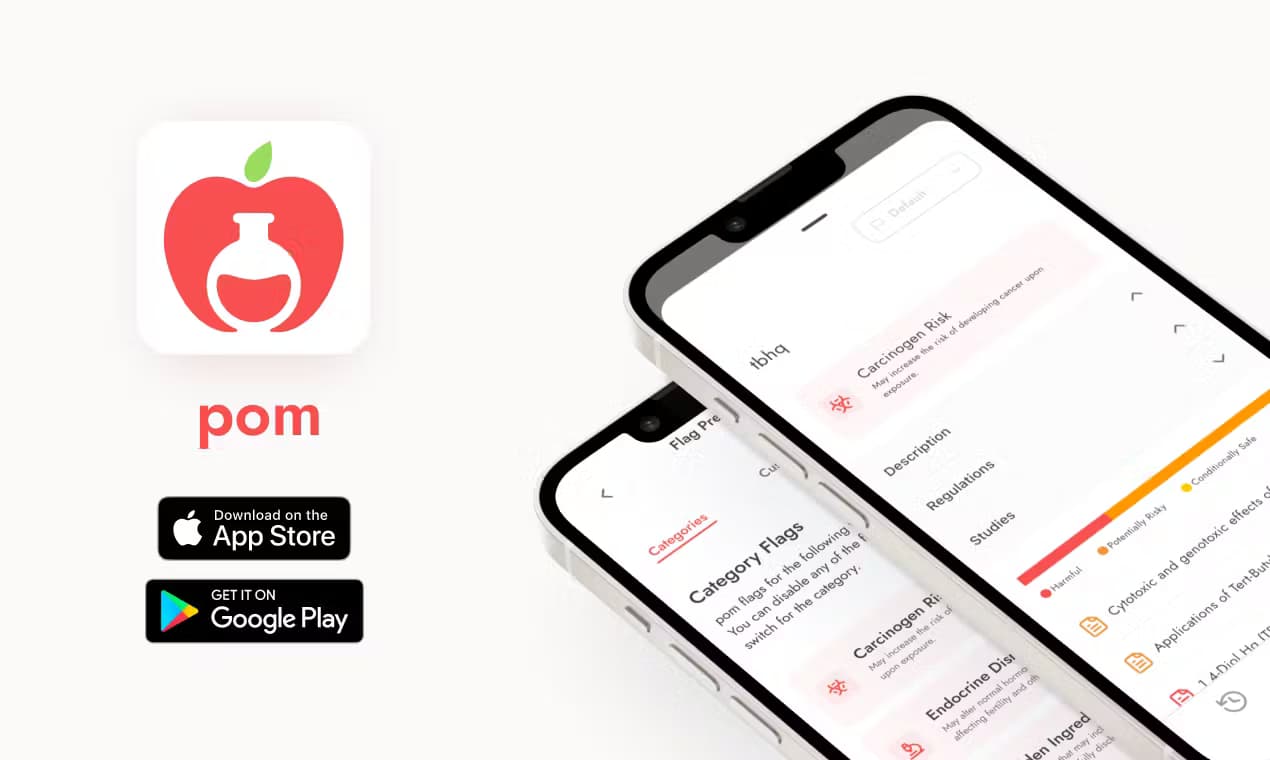
About pom - Ingredient Checker
What Is pom - Ingredient Checker
pom is a mobile ingredient scanner app that reads a product's ingredient list, works out what's inside, and tells you which substances may be harmful. It covers food, cosmetics, skincare, and household products, so one scanner handles the bottle of lotion and the bag of snacks.
The pitch is transparency over marketing. Most of these tools lean on a barcode database, and pom skips that step, reading the printed label itself. The developer says the app runs on a database of more than 6,000 ingredients tied to over 100,000 research papers, which is how it explains why something got flagged.
The whole thing lives on your phone. There's an iPhone and an Android app, but no browser version, and no free web tool to try first. The developer is Intelligent Iterations Technology Inc., based in Canada.
The main limit is scope. pom flags ingredients and summarizes the research, and it doesn't diagnose a condition or replace a doctor or dermatologist. It also won't tell you what a product will do to your specific skin; it reports what the evidence says about each ingredient.
Getting Started
- Download pom - Ingredient Checker from the App Store or Google Play and open the app.
- Point the camera at the ingredient list on the food or personal care product you want to check.
- Let the scanner read the label and wait for the ingredient breakdown.
- Review the flagged ingredients and tap any of them to see the research summary behind the warning.
- Set custom flags for ingredients you want to avoid, then save the scan to your history to compare products later.
Product Information
A quick look at pom - Ingredient Checker's pricing, supported platforms, and performance.
Best for
The users, tasks, and scenarios where this tool fits best.
Users
- People with food allergies or intolerances
- Parents shopping for kids
- Skincare and cosmetics shoppers
- Shoppers trying to cut ultra-processed food
Tasks
- Checking a label before buying
- Understanding why an ingredient is flagged
- Building a personal avoid list
- Comparing two products
- Reviewing what's already in your home
Scenarios
- Standing in a grocery aisle without a barcode
- Checking a cosmetic before a sensitive-skin purchase
- Shopping for a household with mixed dietary needs
- Switching to a cleaner routine
Key features
Label scanner that skips the barcode
pom reads the ingredient list printed on the package rather than looking up a barcode. The developer built it this way because barcode apps often return outdated or missing results. You point the camera at the label and get an answer even for brands a product database never listed.
Health and safety flags
The app automatically flags ingredients with evidence of harming health, covering categories like carcinogens and endocrine disruptors. Rather than handing you an unexplained warning, it groups the risks so you can see what kind of concern a given ingredient raises.
Customizable ingredient flags
You can set your own flags for ingredients you want to avoid. That matters because everyone's avoid list is different, whether it's a fragrance, a preservative, or something tied to a personal sensitivity. Custom flags carry into every future scan.
Research summaries per ingredient
Each flagged ingredient comes with summaries of scientific studies, and pom says it shows where the science varies instead of a single verdict. The database links thousands of ingredients to a large body of research papers, then condenses them into a plain-language read.
Dedicated child development risk flag
The premium tier adds health and safety flags aimed at families, including one for ingredients linked to risks in infants, toddlers, and children. The developer frames this as a tool for parents who want an extra layer of checking on kids' products.
Scan history and product comparison
Every scan is saved, so you can revisit past results and compare products side by side. Over time the history doubles as your own safe list, which helps when you're deciding between two similar items on a shelf.
Pros and cons
Pros
- It reads the printed ingredient list, so it can flag products that barcode-only scanners miss or list incorrectly.
- The 6,000-plus ingredient database is tied to research summaries, so a flag comes with the reasoning behind it.
- Custom flags let you decide what to watch for, which fits specific allergies or personal avoid lists.
- It handles both food and personal care products in one app, so you don't need separate scanners.
- Saved scans and history make it easier to compare products and track what you've checked.
Cons
- There's no public price for the premium tier, so you can't tell what a subscription costs until you start the trial in the app.
- It's mobile only, so there's no desktop or browser version for someone who shops online at a computer.
- It explains what research says about an ingredient but doesn't assess how a product will behave on your specific skin, so it won't replace a dermatologist.
Frequently asked questions
pom is a mobile app that scans the ingredient list on food and personal care products and flags ingredients that may be harmful. It backs each flag with summaries of scientific research and lets you set custom alerts for ingredients you want to avoid.
Related content
Explore related tools, skills, and articles for pom - Ingredient Checker.
pom - Ingredient Checker Alternatives
Agibot
Agibot · Productivity · AI Assistant · ChatbotAgibot is a personal AI agent for Mac that keeps running after you close the window, runs routines on a schedule, and works from Telegram or Slack with your own API keys.

Foley
Hanamori Labs, LLC · Voice & Language · Productivity · AI AssistantFoley is a voice to-do list that turns a spoken sentence into a filed task, complete with project, date and time, then helps you plan the day around what is already there.

Ghost Core
Ghost · Productivity · AI AssistantGhost Core is a $3,499 screenless personal AI computer that runs local AI models on its own hardware, builds context from your apps and devices, and acts without waiting for a prompt.