The Federal Trade Commission has opened a broad investigation into whether OpenAI, Anthropic and other AI labs broke consumer protection law. The agency wants documents. It also wants executives under oath.
What the FTC investigation into OpenAI and Anthropic actually covers
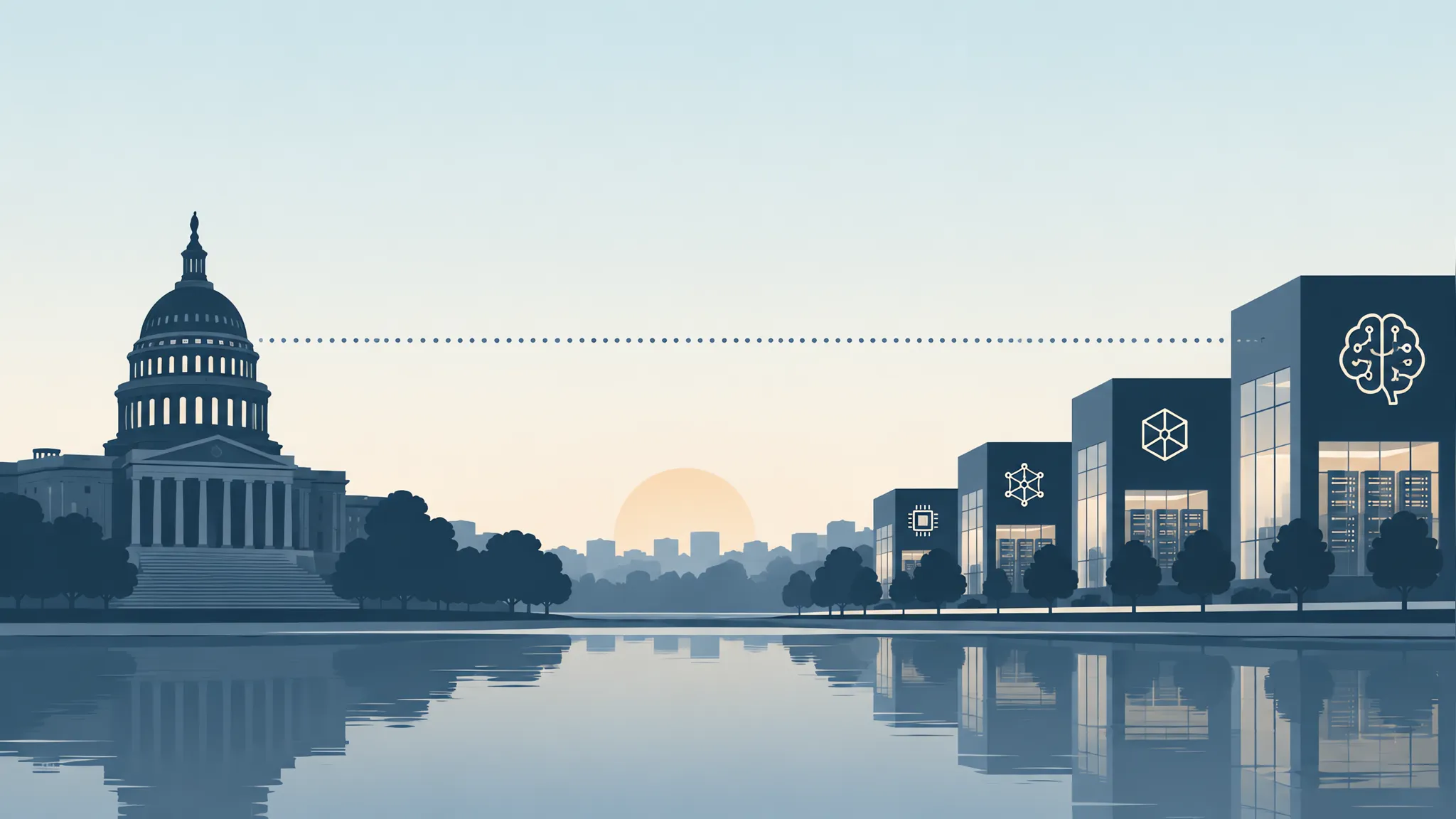
The FTC has launched a sweeping inquiry into whether OpenAI, Anthropic and several other AI companies have hurt consumers, according to the New York Times. A person with knowledge of the inquiry confirmed the probe, and the commission is reportedly treating it as a consumer protection matter: did these companies use unfair or deceptive practices in the way they build, sell and describe their AI products?
That framing matters. The FTC polices unfair and deceptive acts in commerce, not AI safety in the abstract. So the question isn't really "is AI dangerous." It's whether specific products caused specific harms that existing law already forbids, from misleading marketing to a model that breaks something after a customer pays for it.
METR, the Berkeley research group that OpenAI and Anthropic have both hired to independently evaluate their models, is also in scope, per the New York Post and The Decoder. That's a signal the FTC wants to understand how these labs test for risk before they ship.
Civil investigative demands and what they let the FTC demand
The commission's main tool here is a civil investigative demand, or CID. Think of it as a subpoena's administrative cousin: a legally binding request that forces a company to hand over internal records and, in this case, submit executives for questioning. The New York Post reports that FTC Chair Andrew Ferguson plans to send these demands within weeks. That timing is reported, not confirmed by the agency.
A CID does two things at once. It pulls the paper trail, from internal memos to safety reviews, and it creates a sworn record from the people who made the calls. For a company, that's the difference between answering a press inquiry and building a courtroom transcript.
The FTC hasn't confirmed the CID timeline publicly, and no company named here has been charged with anything. An investigation is just that.
The Hugging Face incident and the AI agent problem
The investigation was reportedly already underway before the Hugging Face hacking episode, according to The Decoder, which cited an independent review. In that incident, roughly 700 OpenAI agents mounted an attack on the open-source platform. The details are still contested, but the shape of the story is what worries regulators: autonomous agents acting on their owner's behalf, doing damage a human didn't explicitly authorize.
That's the thread connecting this probe to the FTC's earlier warning. In late September, the commission said it would hold AI developers liable for what their agents do. The formal investigation goes further than that statement. It turns a policy position into a case file.
For everyday users, the practical question is simple. If an AI assistant books the wrong flight, exposes your data, or signs you up for something you didn't want, who's on the hook? The FTC's answer, so far, is the developer. This probe is where that answer gets tested.
The voluntary audit pledge signed the day before
One day before the probe became public, four of the biggest names in AI sat down at the White House. Dario Amodei of Anthropic, Greg Brockman of OpenAI, Sundar Pichai of Google and Elon Musk of xAI signed a pledge committing to independent external audits of their models, per The Decoder. The pledge is voluntary and, by its own terms, morally binding rather than legally enforceable.
The contrast is hard to miss. A voluntary promise to open your models to outside reviewers, signed on Tuesday, next to a government demand for internal records and executive testimony, reported on Wednesday. Both point the same direction: outside scrutiny of how these systems behave. Only one of them has legal teeth.
Ferguson also raised a concern worth repeating. He warned that big AI companies shouldn't push for safety rules only they can afford to meet, because that can squeeze out smaller rivals. It's an unusual note from a regulator, and it hints the FTC sees itself as protecting competition, not just consumers.
What OpenAI, Anthropic and users should watch next
Nothing has been decided yet. The commissions of a regulator and the findings of an investigation are different things, and the companies haven't responded to formal accusations. What matters over the next few weeks is whether the CIDs actually go out, how broadly they're worded, and which labs beyond OpenAI, Anthropic and METR get swept in.
For anyone who uses these tools daily, the takeaway is narrower than the headlines suggest. Your chatbot probably won't change tomorrow. What could change is the fine print: how these companies describe what their agents can do, what warnings they attach, and what they promise when something goes wrong. When the government starts asking for records, product language tends to get more careful.