

Vidopix — AI Video Intelligence
Pixelgaze Technologies Private Limited · Video
Vidopix is an AI video intelligence platform that reads a clip frame by frame and predicts where viewers stay, where they drop off and how the content makes them feel before it goes live.
About Vidopix — AI Video Intelligence
What Is Vidopix
Vidopix is a browser-based pre-publish video analysis platform from Pixelgaze Technologies, a company founded in Bengaluru in late 2024. You upload a video file or paste a link from Instagram, YouTube or TikTok, and the system returns a read on the clip in two to three minutes. The promise is straightforward: most teams publish, wait two weeks for analytics, then discover the creative underperformed. Vidopix moves that answer in front of the publish button. Audience engagement prediction is the whole product, and it's aimed at teams that treat ad creative testing as a step before spend rather than a report after it.
The engine is called Pixi. It splits a video into frames, scores each one, and tracks 27 emotion dimensions across the timeline, including curiosity, confusion, trust and urgency. That video emotion analysis feeds a chat layer where you ask questions in plain language and get answers tied to specific timecodes. The company says the underlying model has learned from more than 5.5 million videos and handles 250+ languages.
Two limits shape how you should use it. Every output is a prediction built from patterns in the footage, not a measurement of a real audience, so it works best as a filter before a paid test rather than a replacement for one. Pricing is quote-based as well. There is no public price list, and the free trial runs on five credits.
Getting Started
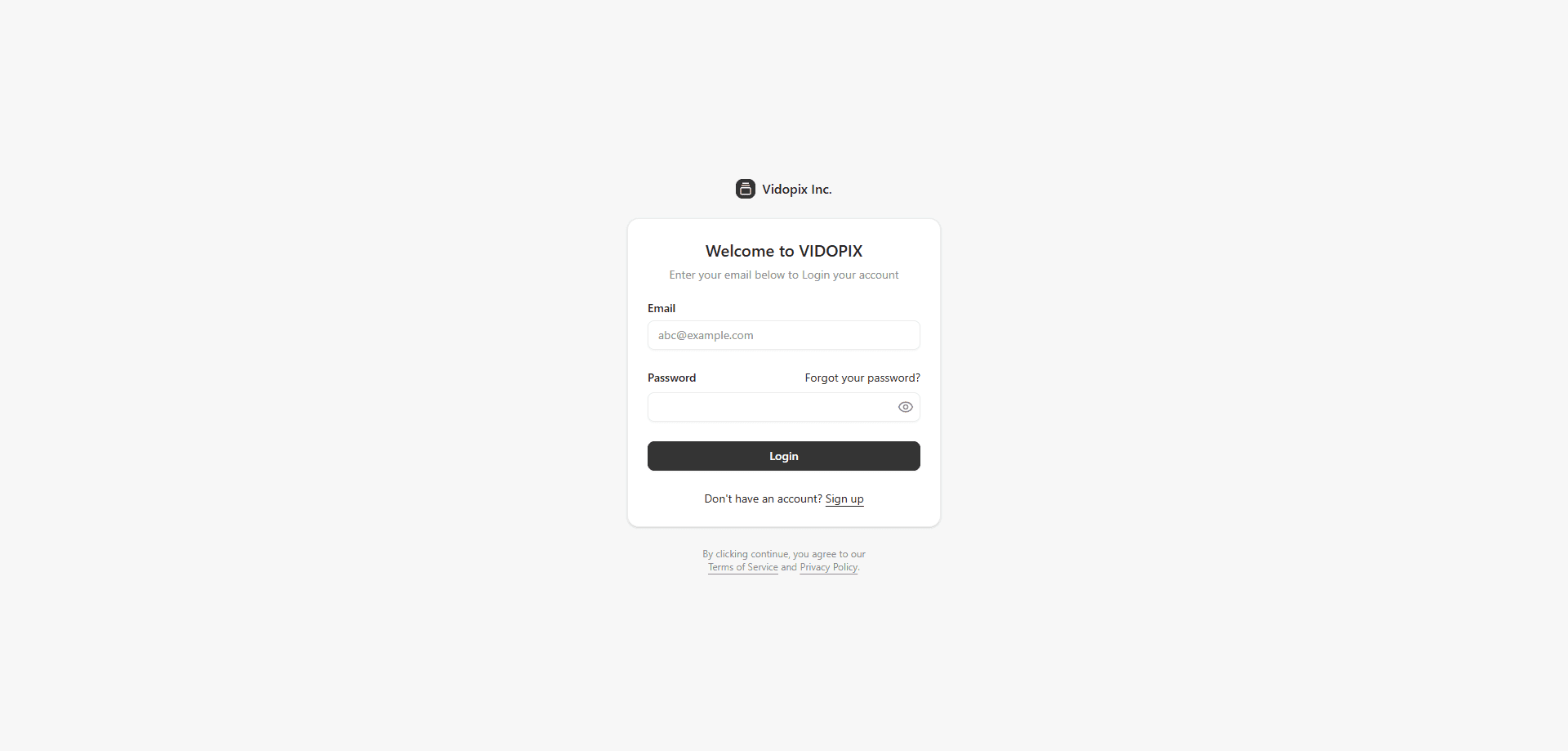
- Create an account at portal.vidopix.com. Signup takes about 30 seconds, needs no card, and lands you with five credits worth $25.
- Upload a file or paste a public Instagram, YouTube or TikTok link. The analysis starts as soon as the source lands in the portal.
- Ask Pixi the questions that matter for your edit: where viewers leave, whether the hook holds, which cut scores higher, whether the brand is visible.
- Work through the fix list, re-upload the new version if you want a comparison, then publish with the before and after in hand.
Product Information
A quick look at Vidopix — AI Video Intelligence's pricing, supported platforms, and performance.
Best for
The users, tasks, and scenarios where this tool fits best.
Users
- Short-form creators on Instagram, TikTok and YouTube Shorts
- YouTube creators working on long videos
- Social media managers running several brand accounts
- Agency and freelance editors
Tasks
- Checking a hook before posting
- Comparing two cuts of the same ad
- Pricing a sponsored video
- Screening a brand video for compliance
Scenarios
- An agency walks into a client review with frame-level reasons for each edit decision, which shortens the revision cycle.
- A restaurant group posts three Reels a day across four accounts and needs a fast filter that catches weak transitions before publishing.
- A brand team approves a television commercial and wants a signal on the 14-second mark where viewers tend to leave, before media spend is committed.
Key features
Frame-by-Frame Reading
Pixi breaks an upload into individual frames and scores each one for visual elements, on-screen text, brand presence, scene composition, colour signals and motion. That's why its answers point at a second instead of a section. You get a timeline rather than a paragraph of impressions.
27 Emotion Dimensions
Every frame runs through a model the company says was trained on 5.5 million videos. It tracks 27 emotion scores, among them curiosity, confusion, trust, urgency and delight, and plots intensity second by second. The output reads as an emotional arc: where the clip lifts, where it flattens, where it loses people.
Drop-Off and Hook Forecasting
Video drop-off prediction works the same way: ask where viewers will leave and the tool returns a timestamp with the reason it found in the footage. Hook strength gets the same treatment, which matters most on Reels, Shorts and TikTok, where the opening three seconds decide whether the rest is seen at all.
Conversational Analysis
The chat layer takes plain questions: is the pacing too slow, does the product appear on screen, which version is stronger. Answers cite timecodes from your own video instead of general advice. A synthetic audience mode goes further, building 100 profiles from a demographic description and simulating how that group would respond.
Brand Visibility and Compliance Screening
For sponsored work, Pixi logs every appearance of a product, logo or brand name with duration and visibility, so you know if the placement gets lost in the edit. A compliance pass flags misleading claims, missing disclosures and category restrictions. Most AI video analytics report after publication; this check runs before a platform review finds the same problem. Agencies can upload a client's own advertising guidelines as a knowledge base and check against those exact codes.
Brand Deal Benchmarks
Ask what a video is worth and the platform suggests brand categories that fit, price ranges for a shoutout, an integrated segment or a three-reel bundle, and a draft pitch email. The ranges are benchmarks built from the creator's audience and niche, not offers, so treat them as an opening position.
Pros and cons
Pros
- Answers come with timecodes, so an editor knows which two seconds to cut instead of rebuilding the whole edit.
- Links from Instagram, YouTube and TikTok work directly, which removes an export step from short-form workflows.
- Support for 250+ languages means a campaign shot in Spanish or Arabic gets the same read as an English one.
- The fix list stays short, five ordered changes per video, so it fits inside a normal edit pass.
- Compliance screening plus knowledge base uploads gives agencies something concrete to show a client or a legal team.
Cons
- There is no public price list. You request a quote and wait up to a business day, which slows down anyone comparing tools on cost.
- Credits are the billing unit, so testing several cuts of the same ad adds up, and the five free credits cover only a small first pass.
- The output is a prediction drawn from footage patterns. It can't observe a real audience, so results still need a live test before a large media buy.
- VidoScout, the brand monitoring product, is still marked as coming soon, so social listening and crisis alerts aren't available yet.
Frequently asked questions
Pixi AI analyzes a video before publication and reports on attention, emotional response, pacing, drop-off points and brand visibility. You upload a file or paste a social link, then ask questions about the clip in a chat window and get answers tied to timestamps.
Related content
Explore related tools, skills, and articles for Vidopix — AI Video Intelligence.
Vidopix — AI Video Intelligence Alternatives

ngram 2.0
ngram · Video · Marketingngram 2.0 is an AI video generator for teams. It turns a prompt, a screen recording, or a product URL into a narrated explainer, product demo, or AI avatar video, and every scene stays editable.

OpenScreen 2
OpenScreen (open-source project) · Video · ProductivityOpenScreen 2 is a free, open-source screen recorder and demo video editor for Windows, macOS, and Linux, with automatic zooms, styled frames, local captions, and agent edits.

Skreno
Skreno · Video · ProductivitySkreno is a browser screen recorder that captures a tab, a window or your whole display, then attaches AI transcripts, summaries and console logs to one share link.