
Notion's agents used to give up after five minutes. The rebuilt version keeps working past 24 hours, and the company changed how you pay for that time on the same day.
What Notion shipped on October 19
The release is called "Agents, rebuilt to do more for less," and it covers three things at once: a sixth-generation agent stack, a new version of the Auto model router, and an overhaul of AI credits.
The headline number is runtime. A single task used to stop at five minutes. Notion now says one can run for more than 24 hours.
Everything else in the announcement supports that claim, one way or another. Long tasks need somewhere to live, a way to survive a restart, and a bill that doesn't explode while nobody is watching.
Durable execution is why 24 hours works
Each agent session now runs on its own dedicated service, with a queue-driven worker loop behind it. If a worker dies or the service restarts, the task picks up where it stopped instead of starting over.
That's the difference between a long task and a lost task. Anyone who has watched a chat session die at the 90% mark knows the feeling.
Notion reports infrastructure availability above 99.9% for the new setup, says agent runs on web and mobile got up to 50% faster, and puts Custom Agent runs at about 30% cheaper in its tests.
Endurance, not infinity.
The agent still stops, and long runs still consume credits the whole way.
Agents get a computer, a browser, and a script habit
The second change is capability. Agents now have their own computer and browser, which lets them open pages, click through interfaces, and pull data that has no API.
They can also write short scripts instead of burning tokens on repetitive steps. Notion says the script route is faster, cheaper, and produces better output than asking a model to do the same work token by token.
Context handling got a quieter upgrade. Notion prefers each model's native compaction where one exists, and pushes large tool results out of the context window so they don't crowd out the task.
There's also a "Review for me" mode, which runs a second model over a planned action before it happens and checks whether the action is safe. That's a guardrail, not a guarantee. A reviewer model can miss what the acting model missed.
Notion's Auto router: close to Opus 5.5 at 90% less cost
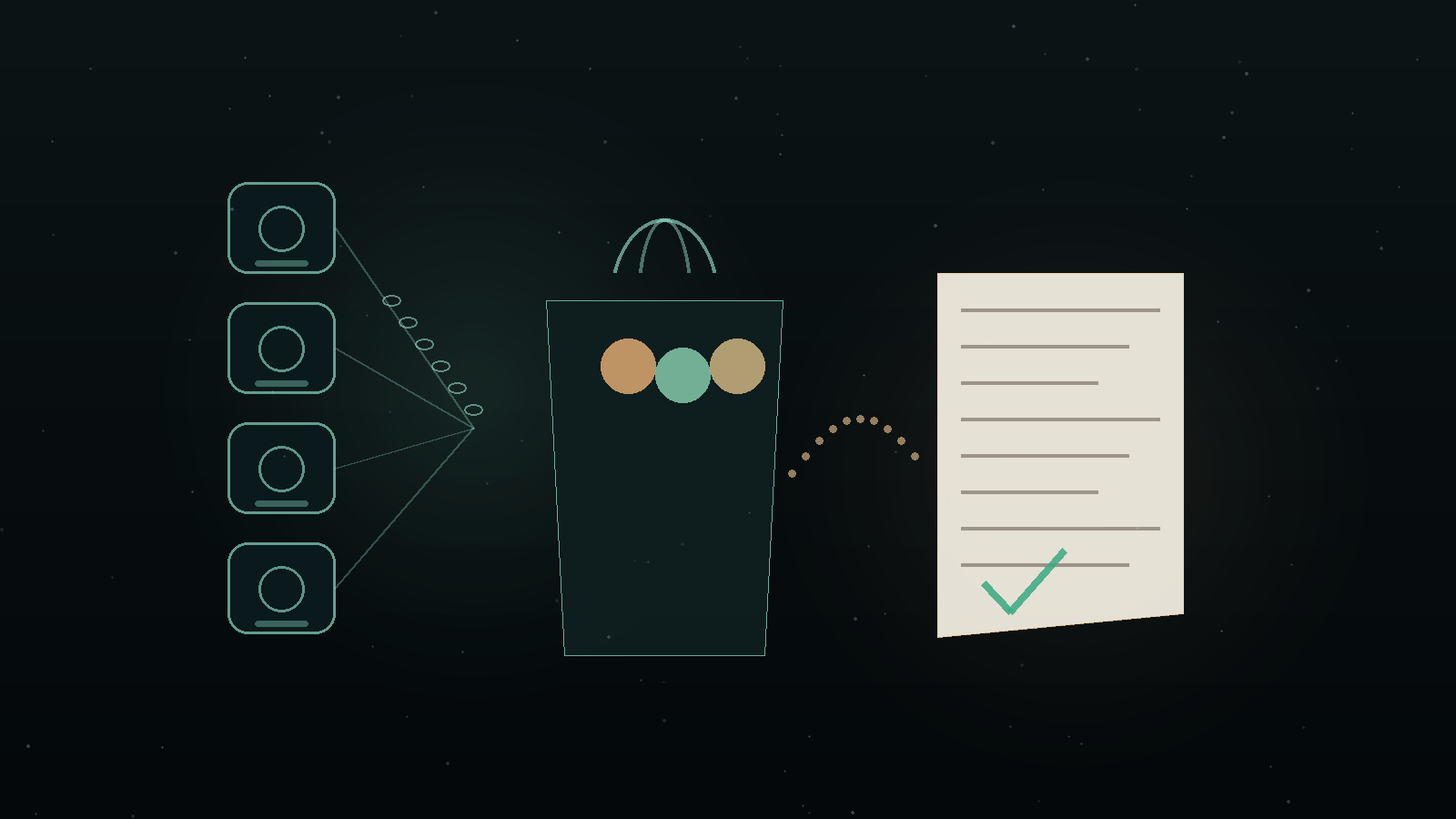
Notion's Auto router picks a model per request instead of making you choose one up front. The company says that across more than 20 common use cases, Auto produces results close to Opus 5.5 and Astra while costing about 90% less on average.
Close is doing real work in that sentence. Notion isn't claiming parity, and the comparison is the company's own evaluation on use cases it selected.
The router also switches models mid-task when the current one stops making progress. That behavior matters more for 24-hour runs than for quick prompts, since a stalled model used to mean a stalled user.
If the 90% figure holds for your workload, credits stretch roughly tenfold. That's the pitch, and it's also the part most worth testing on your own tasks before you plan a budget around it.
The new credit split, and who pays for long runs
Business and Enterprise plans now include 1,500 Standard credits per seat each month, which cover runs where Notion picks the model. Each seat also gets 500 Select credits, which you spend when you choose the model yourself or run a Custom Agent.
New customers start on the new system immediately. Existing customers move over on November 2.
Admins can buy more credits, and a new AI Command Center shows usage, sets spending caps, and manages which agents can do what. That last control is the one finance teams will ask about first.
For a team that relied on Custom Agents, the Select pool is the number to watch. What does a 24-hour run actually cost? Five hundred credits per seat is a real allowance, but a 24-hour run eats far more than a five-minute one, and both changes landed on the same day.
Bring your own ChatGPT subscription
Notion now lets you connect a ChatGPT Plus, Pro, or Go subscription to your personal Agent, so those requests bill against OpenAI rather than Notion credits. Custom Agents aren't covered yet.
Enterprise customers can apply for a private alpha of BYOK, which puts their own model keys behind Notion's interface.
The Notion MCP server also got rebuilt. It connects to ChatGPT, Claude, Grokbot, and Muse, syncs memory between them, and will support Skills over MCP soon. The company added seven models in the past month and grew the list of tools agents can reach from dozens in the summer to hundreds now.
What to check before November 2
Three things decide whether this is a better deal for you.
First, whether Auto's quality holds on your actual work, since the 90% savings only count if you don't have to redo the output. Second, how many Select credits your Custom Agents burn in a normal week. Third, whether a 24-hour task is something you want running unattended at all, because longer runs mean more chances to drift off course before anyone looks.
Notion built for endurance. The pricing assumes you'll use it.