
Dek: A kernel fix can sit in a test queue for weeks. Shirudo is an open-source bet that a signed eBPF program can cover the exposed code path in the meantime, with no restart and no rebuilt image.
The patch gap Shirudo was built to cover
A security fix has a schedule. The work around it doesn't. Testing a kernel or library patch against a real workload can take days or weeks, and during that window the vulnerability is public, the exploit is circulating, and plenty of servers are still running the old code.
Blocking the abused operation outright isn't an option either. In most Linux exploits the attacker and a legitimate request reach the same system call, so a blunt rule that refuses it takes the service offline. You end up choosing between an outage you control and a risk you don't.
That's the gap the openai cisco team went after, and the name sets the tone. Shirudo is Japanese for shield.
What Shirudo actually is: an eBPF shield for Linux runtime security
Shirudo is an open-source runtime for Linux, released on 23 November under BSD 2-Clause, with its BPF programs dual-licensed BSD and GPL. It isn't a patch manager or a scanner. No agent tracks your fleet for you either. It's a way to put a small, targeted guard in front of one code path on a machine that's already serving traffic.
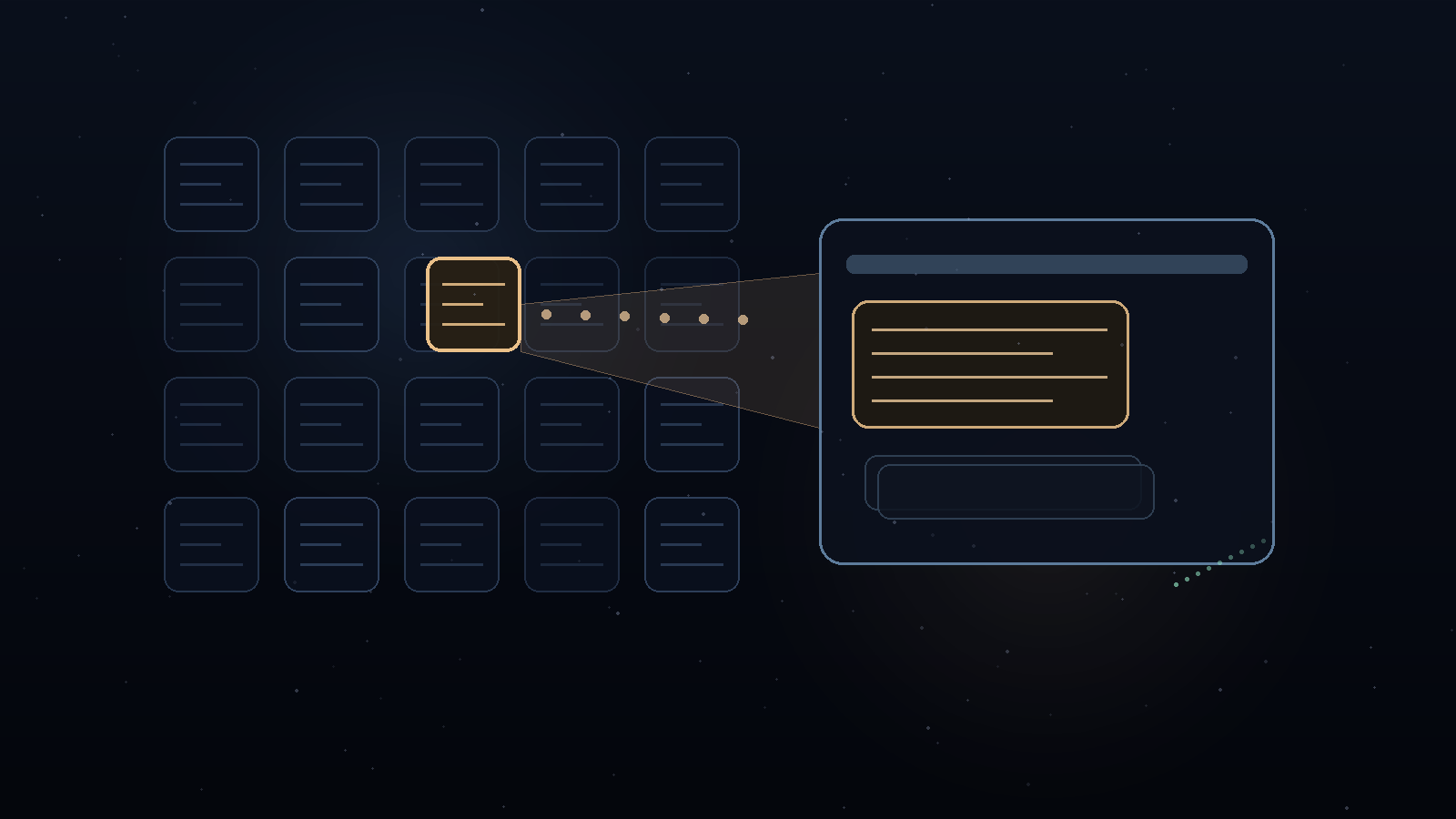
The mechanism is eBPF, which lets small programs run at specific points inside the operating system kernel. Put plainly, the guard sits inside the kernel at the function the exploit abuses instead of at the network edge or around the application. That placement is what makes linux runtime security interesting here. No restart, no rebuilt container image, no waiting for the next maintenance window.
Monitor mode first, enforcement second in Shirudo
The design assumes your proposed shield is wrong until proven otherwise. Teams run an ebpf shield in monitor mode first, which logs what it would have blocked without blocking anything. If a legitimate request shows up in that log, the shield needs work before it goes anywhere near production.
Only after that review does anyone switch it to enforcement. The rule is sound, because the failure mode here is an outage, and an outage caused by a security tool is worse than the vulnerability it was meant to cover.
Four capabilities carry the product, and each one answers a different objection from the person who has to sign off.
Capability | What it stops |
|---|---|
Monitor mode | A shield that would break a legitimate request |
Enforcement mode | The specific exploited code path, without a restart |
Signed load | A tampered or swapped shield file |
TPM record | Disputes about what was loaded and removed |
Once enforcement is on, the shield attaches to a running process and the service keeps answering. No reboot, no drained node, no overnight window.
Signed shields, the eBPF verifier and a TPM record
Trust decides adoption, and Shirudo stacks three checks on top of each other. What happens when a shield turns out to be wrong? Monitor mode is meant to catch that before enforcement does. Every shield is cryptographically signed and verified before it loads, so a modified file doesn't reach the kernel. Linux's own eBPF verifier then checks the program against its safety rules. Kernel security controls restrict unauthorised changes after that.
A Trusted Platform Module keeps a record of what was loaded and what was removed. That record doesn't prove a host is clean. It proves what the host ran, which is the question an auditor asks at 2am when a regulator wants a timeline.
For a team in a bank or a hospital group, that paper trail is the difference between a tool the change advisory board approves and one that never gets past the first meeting.
The Java4Shell demo that shows what an eBPF shield blocks
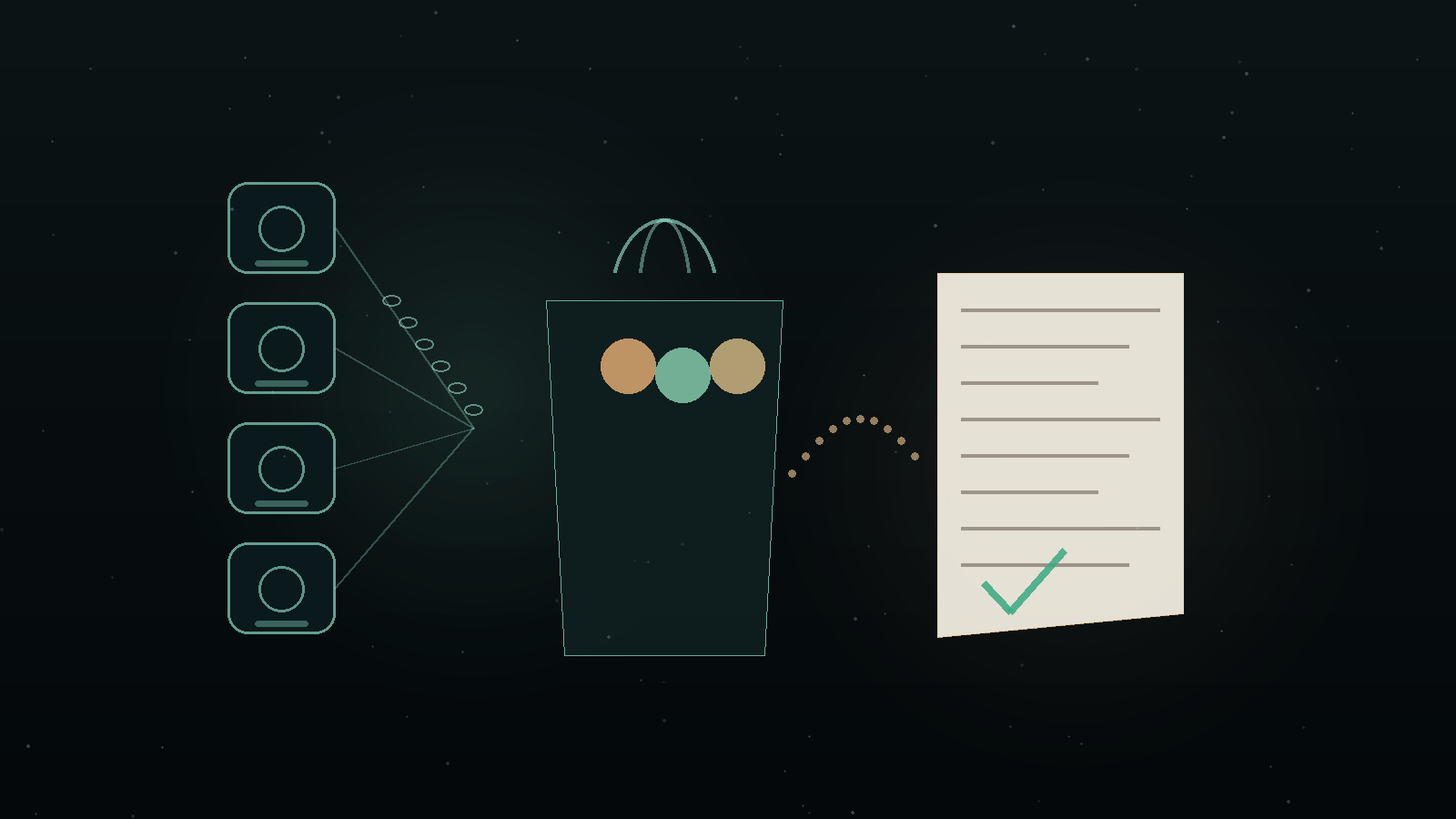
The published demo is refreshingly concrete. Using Codex, the team generated a shield that added an input check to Java's Base64 decoder, then attached it to a running Elasticsearch process.
Java4Shell is the kind of bug that makes the patch gap expensive: a widely deployed Java component, a payload that arrives as an ordinary string, and a long tail of installations nobody wants to restart. In the demo the shield rejected the exploit attempt while Elasticsearch kept serving requests. One process, one exploit, no downtime.
A second demo at the Linux Plumbers Conference walked through signing, loading and verifying a test protection on a target host. Less dramatic. More useful if you have to explain the process to someone who signs off on production changes.
Codex writes shields, but a human approves them
This is where the AI part actually lives, and it's smaller than the framing suggests. The design gives agents programmable controls to investigate a vulnerability, draft a shield, and validate it against a real exploit and a real workload.
Approval stays with a person. A security team decides what gets deployed. That's the right line to draw, and it's also the first thing anyone nervous about automated kernel changes will test.
Where Shirudo stops: known paths, not unknown ones
Shirudo is a first step, and the project says so. Shields cover exploitation paths you already know about. They do nothing for the vulnerability nobody has found yet, and they don't remove the need to patch.
It also isn't generally available as a supported enterprise product. It's an open-source project asking for contributors, and the machinery for distributing and trusting signed shields is still being built.
What would make this routine is boring adoption: distributions, cloud providers and vulnerability databases shipping tested shields next to their advisories, so patch gap coverage becomes a line item beside the CVE. European distributors already sign packages, which gives that idea a head start. Until it happens, a shield is only as good as the team writing it, signing it and watching the logs on the first night.